Why Most Goals Fail (And Why Motivation Is Not the Problem)
Dec 29, 2025
Most goals fail because plans, systems, and environments are weak. Learn how SMART goals, habit stacks, if‑then plans, and feedback loops produce steady progress.

Most people don’t achieve their goals because they rely too much on motivation, which fades quickly. The real issue? Poor planning, unclear systems, and mental barriers. Here’s what separates success from failure:
Vague Goals: Broad goals like "get healthy" lack direction. Clear, specific plans work better.
Overload: Juggling too many goals drains your energy and focus.
Cognitive Biases: Your brain can trick you into feeling progress when none exists.
No Systems: Motivation is temporary; systems like habit stacking and clear routines ensure consistency.
Environment Matters: A well-designed space makes good habits easier to follow.
The solution? Build systems that focus on small, repeatable actions. Tools like Pausa can simplify this process by turning vague ideas into actionable plans, tracking progress, and helping you adjust when life gets in the way. Success isn’t about willpower - it’s about setting up systems that work even when motivation fades.
Why Goals Actually Fail
Vague or Unrealistic Goals
When you set a goal like "get healthy" or "be more productive", it’s like aiming at a target you can’t see. These broad statements don’t give your brain a clear direction, leaving you without a concrete plan to follow[1]. On the other hand, setting goals that are too ambitious - like jumping from $50,000 to $1,000,000 - can feel so overwhelming that you might not even know where to start[1].
The way you phrase your goals matters, too. Using words like "always" or "never" creates an all-or-nothing mindset. For example, if you miss a single workout, you might feel like you’ve failed entirely and give up on the goal altogether[2]. Beyond unclear targets, internal biases can also quietly derail your progress.
Cognitive Biases and Emotional Barriers
Sometimes, your brain tricks you into thinking you’re making progress when you’re not. This illusion of "fake progress" can sap the motivation you need to take real action. Past failures can also leave a mark, conditioning your brain to expect more failure and, in turn, sabotaging your efforts[1][5]. Research shows that after failing a goal, 89% of people opt for easier tasks the next time, compared to just 37% of those who succeeded[3]. And when you’re juggling multiple goals, even the clearest objectives can lose focus.
Too Many Goals and Competing Priorities
Your brain can only handle so much at once. Every decision you make throughout the day drains your mental energy[1]. By the time evening rolls around, your willpower might be too depleted to tackle the goal you had planned for later. Trying to balance too many goals forces you to constantly decide what’s most important, and this mental juggling act can leave you so overwhelmed that you abandon all your goals instead of making progress on even one[6].
Time, Energy, and Support Limitations
Even when your goals are clear and your systems are solid, life’s realities can still get in the way. Limited time, low energy, and a lack of support can create obstacles that sheer motivation can’t overcome. For example, if you’re working 60 hours a week and caring for young children, sticking to a daily exercise routine can feel nearly impossible. This isn’t about laziness; it’s about underestimating how much time and energy you actually have and overestimating your willpower[1][2]. Without "if-then" plans to handle inevitable challenges - like exhaustion or unexpected responsibilities - your best intentions can easily fall apart. These limitations highlight the need for systems that can adapt to real-life constraints.
why you should set systems & not goals
Why Motivation Alone Doesn't Work

Motivation vs Systems: Why Goal Systems Outperform Willpower Alone
Motivation vs. Systems
Motivation feels like a burst of energy when you imagine achieving your goals. But let’s face it - those feelings don’t last. They fade when you’re tired, stressed, or distracted after a long day. That’s where systems come in. Systems are consistent processes that keep you moving forward, no matter how you’re feeling.
Think about it: winners and losers often share the same goals. Every athlete dreams of winning a championship, and every writer hopes to finish their book. What sets them apart isn’t their ambition - it’s their ability to act consistently. Habit experts have shown that lasting progress comes from creating dependable systems, not from waiting for inspiration to strike. [7]
Relying solely on motivation is like chasing a spark that burns out quickly. And willpower? It drains with every decision you make.
Feature | Motivation-Based Approach | Systems-Based Approach |
|---|---|---|
Primary Driver | Initial energy | Scheduled routines and triggers |
Focus | The finish line (outcome) | The daily process (input) |
Sustainability | Low (wanes over time) | High (becomes automatic) |
Feedback | Delayed (lag indicators) | Immediate (lead indicators) |
Research backs this up. A 2001 study involving 248 people trying to build exercise habits found that reading motivational material about health benefits didn’t improve success rates - they hovered at just 35–38%, no better than a control group. But the group that created a concrete plan for when and where to exercise? They achieved a 91% success rate. Sarah Milne, the study’s lead researcher, explained it best: "Motivation... had no significant effects on exercise behavior." [8]
This highlights why system-driven actions are so effective - they create predictability and build momentum. And that’s where feedback loops come into play.
The Importance of Feedback Loops
Since motivation naturally fades, immediate feedback becomes a lifeline to keep you on track. Without regular feedback, it’s easy to misjudge your progress or overlook small victories. Effective feedback loops focus on what you can control daily. For instance, instead of obsessing over long-term goals, ask yourself, "Did I stick to my workout today?"
This daily check-in matters because motivation tends to dip in the middle of any project. You might start strong, lose steam halfway through, and only regain your drive near the finish line. By tracking daily inputs - those lead indicators - you get instant reinforcement that your system is working. This keeps your momentum alive, even when the initial excitement wears off. [1]
Systems That Make Goals Work
The SMART Goals Framework
The first step in creating a system that works is to define exactly what you’re aiming for. That’s where the SMART framework steps in - it transforms vague intentions into actionable steps. SMART stands for Specific, Measurable, Achievable, Relevant, and Time-bound [11].
For example, instead of saying, "I want to get healthy", a SMART goal would be: "I will walk for 20 minutes at 7:00 AM, five days a week, for the next 12 weeks." This version eliminates ambiguity by telling you what to do, when to do it, and for how long. It provides a clear roadmap so you’re not left guessing.
"Never leave the site of a goal or an idea without figuring some way to apply it immediately. That gives you power. That's how you build momentum."
Tony Robbins [11]
SMART goals also help you face reality. If your current schedule or resources don’t align with your goal, you’ll know upfront, allowing you to tweak your plan instead of wasting time on something unrealistic.
Implementation Intentions and Habit Stacking
Once your goal is clear, the next challenge is turning it into a consistent behavior. This is where implementation intentions come in. These are simple "if-then" plans that connect a specific situation to a specific action. For instance, "When situation X happens, I will do Y" [4].
A study in Great Britain looked at how 248 people built exercise habits over two weeks. The group that created detailed plans had a 91% success rate [8].
"Implementation intentions delegate the control of goal-directed responses to anticipated situational cues."
Peter M. Gollwitzer, Professor of Psychology [4]
Habit stacking takes this concept further by linking new habits to existing ones. The formula is straightforward: "After [Current Habit], I will [New Habit]" [10]. For example, "After I pour my morning coffee, I will write down three priorities for the day." Journaling your thoughts can help clarify these priorities and keep you aligned with your long-term vision. By anchoring new behaviors to routines you already have, you reduce the need to rely on memory or fleeting bursts of motivation. This method helps create a natural flow, making it easier to stick with your goals.
Designing Your Environment
Clear plans and habits are powerful, but your environment plays a huge role in whether you succeed. The way your surroundings are set up can either help or hinder your efforts. For instance, keeping healthy snacks in plain sight while stashing cookies out of reach subtly nudges you toward better choices. This concept is known as choice architecture - designing your environment so that the easiest option is the one you want to choose [10].
To make good habits stick, reduce the effort required to follow through. Want to work out in the morning? Lay out your workout clothes the night before. Struggling to stay focused at work? Put your phone in another room. These small changes reduce the need for willpower, making it easier to follow through [1].
Visual cues are equally important. For example, keeping a dumbbell near your desk or placing dental floss next to your toothbrush serves as a subtle nudge, reminding you to take action. These cues make it more likely that you’ll follow through without overthinking.
Comparison: Poor Goals vs. Structured Systems
Here’s a breakdown of why structured systems outperform poorly defined goals:
Feature | Poorly Structured Goals | Well-Designed Systems |
|---|---|---|
Clarity | Vague (e.g., "Get healthy") | Specific (e.g., "Walk 20 mins at 7 AM") |
Focus | Outcome-oriented ("What") | Process-oriented ("How") |
Success Rate | Low; depends on motivation | High; relies on habits and triggers |
Obstacles | Leads to quitting or paralysis | Uses "if-then" plans to overcome challenges |
Sustainability | All-or-nothing approach | Builds on small, manageable steps |
Environment | Relies on willpower | Adjusted to make good choices easier |
Structured systems eliminate common pitfalls by giving you clear steps, automatic triggers, and an environment that encourages success. It’s not just about setting a goal - it’s about creating a system that makes achieving it almost inevitable.
How Pausa Helps You Build Better Goal Systems

Turning Vague Ideas into Clear Goals
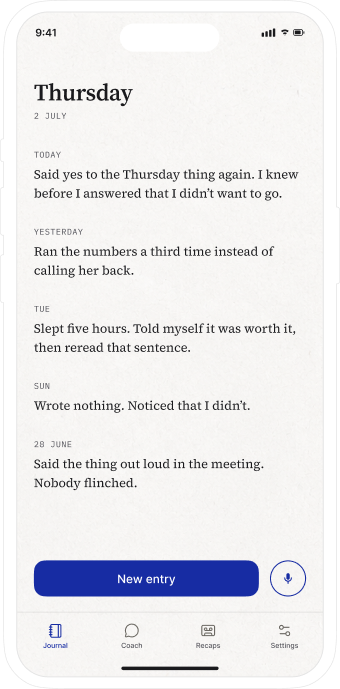
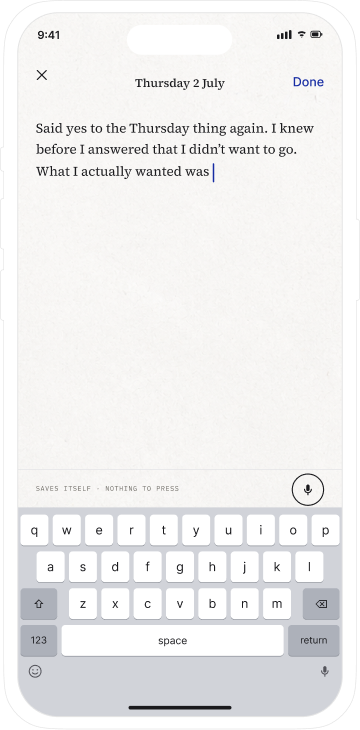
Goals like "get healthy" or "be productive" might sound motivating, but they’re often too broad to act on effectively [1]. That’s where Pausa steps in. Using AI, it transforms these unclear ambitions into SMART goals - Specific, Measurable, Achievable, Relevant, and Time-bound [9]. Instead of staring at a blank page trying to figure out where to start, Pausa helps organize your thoughts and automates the process of structuring goals.
For instance, if you input "I want to be more productive", Pausa might refine it into something like: "I will complete three priority tasks by 10:00 AM, Monday through Friday, for the next four weeks." This shift from vague to specific gives you a clear plan of action. And it’s not just about clarity - 90% of people fail to achieve their goals, with most giving up within the first month [1]. By eliminating ambiguity, Pausa sets you up for success with a structured roadmap.
Tracking Progress with Daily and Weekly Recaps
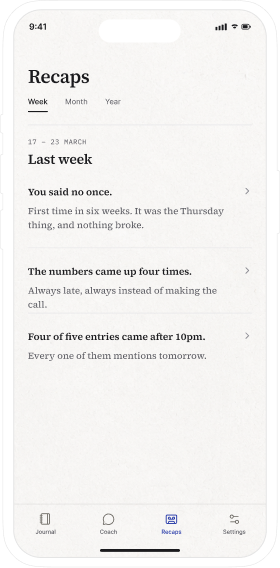
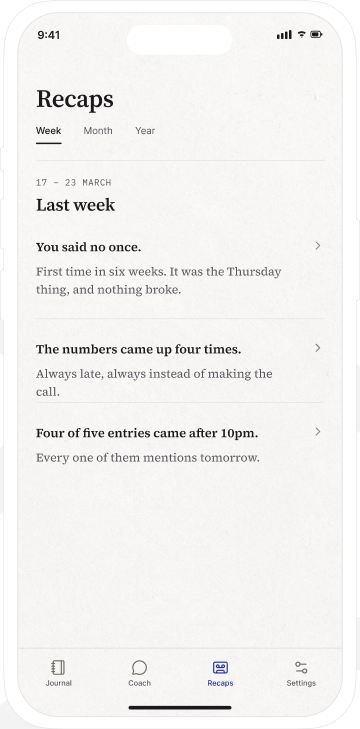
Setting goals is only the first step; keeping track of them is equally important. Pausa’s daily and weekly recaps provide regular feedback, which is crucial for staying on course. These automated updates highlight short-term wins and early signs of progress [12]. Unlike traditional journaling, which often requires time-consuming reviews of lengthy entries, Pausa focuses on actionable insights.
The tool emphasizes "lead indicators" like workouts completed, rather than "lag indicators" such as pounds lost [1]. This approach ensures you’re tracking the behaviors that lead to success. Regular feedback loops like these are essential for monitoring your plans and making necessary adjustments along the way.
Adjusting Your Systems Over Time
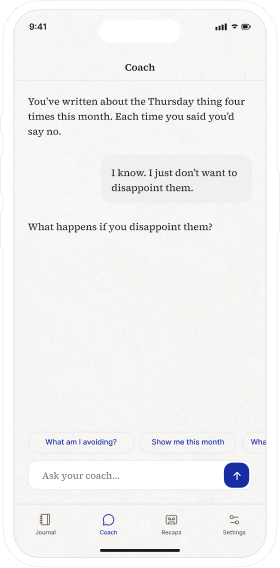
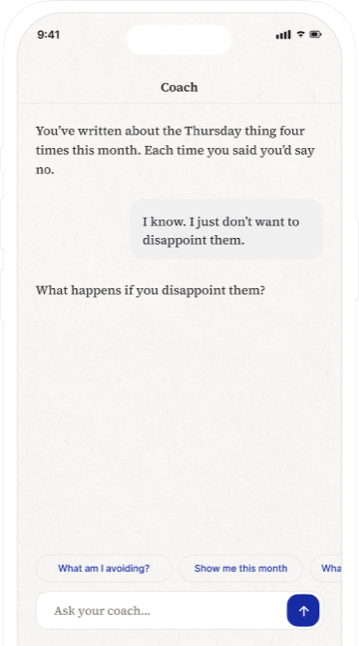
Once you’ve built a habit of tracking progress, the next step is adapting your system as life evolves. Priorities shift, and obstacles pop up - that’s just how it goes. Pausa’s AI-assisted summaries make it easier to spot patterns in your behavior so you can adapt proactively [13].
For example, if your recaps consistently show that you skip Monday morning workouts, you could create an "if-then" plan: If I’m too tired on Monday morning, then I’ll do a 10-minute walk instead. This kind of flexibility reduces reliance on willpower and keeps you moving forward. Research shows that after failing to meet a goal, 89% of people choose easier tasks next time, often leading to a cycle of discouragement [1]. Pausa helps break this cycle by framing adjustments as progress, not setbacks.
Comparison: Manual Journaling vs. AI-Assisted Tools
Here’s how Pausa stacks up against traditional journaling methods when it comes to building a solid goal system:
Feature | Manual Journaling | Structured Manual Journaling | AI-Assisted Journaling (Pausa) |
|---|---|---|---|
Time Required | High; involves significant manual effort [1] | High; requires applying frameworks like SMART on your own [9] | Low; AI simplifies input and automates structuring [1] |
Clarity | Low; entries often lack actionable steps [1] | Medium; depends on user’s understanding of goal-setting frameworks [9] | High; AI converts vague ideas into SMART goals [9] |
Ease of Use | Low; demands willpower and discipline [1] | Medium; involves learning and maintaining systems [9] | High; offers automated recaps, insights, and trend analysis [1][13] |
Feedback Loop | Self-driven; often overlooked | Requires manual review | Automated daily/weekly summaries |
Pattern Discovery | Difficult and subjective | Involves manual comparisons | High; AI identifies trends effortlessly |
What sets Pausa apart is how it lightens the mental load of maintaining a goal system. Philosopher Alfred North Whitehead once said:
"Operations of thought are like cavalry charges in a battle – they are strictly limited in number, they require fresh horses, and must only be made at decisive moments" [13].
Pausa ensures your mental energy is saved for those decisive moments by handling the heavy lifting of goal planning and tracking.
Conclusion
92% of people who set New Year's goals never achieve them [14]. The problem isn't a lack of motivation - it’s relying on motivation alone to get things done.
As we’ve explored earlier, systems are far more effective than fleeting bursts of inspiration. Goals provide direction, but systems create the habits that lead to progress. By focusing on daily actions, preparing "if-then" plans to navigate obstacles, and shaping an environment that aligns with your intentions, you can keep moving forward - even on days when motivation is nowhere to be found.
It’s the small, consistent actions that truly make a difference. Start with simple strategies like the Two-Minute Rule to gain momentum, use the 48-Hour Recovery Rule to maintain discipline, and focus on tracking lead indicators instead of just end results.
"Every action you take is a vote for the type of person you wish to become" (James Clear).
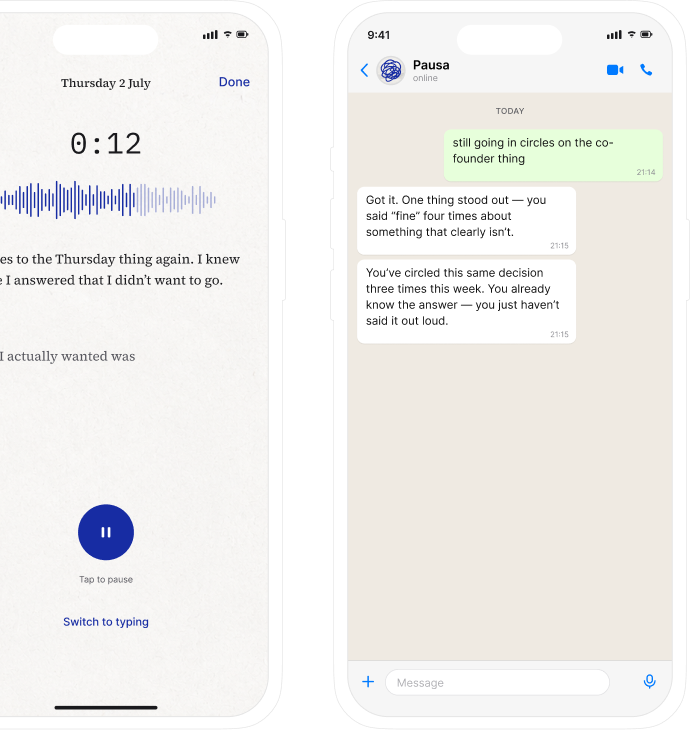
This is where structured systems and helpful tools come into play. For instance, Pausa transforms vague aspirations into clear, actionable goals by automating progress tracking and identifying patterns, allowing you to refine your approach as your circumstances change.
Success over the long haul isn’t about waiting for the next wave of motivation - it’s about building systems that make the right choices automatic, sustainable, and repeatable.
FAQs
What’s the best way to set clear and achievable goals?
To set goals you can stick to, start by understanding why the goal is important to you and make it as specific as possible. For instance, instead of saying, "I want to get in shape", try something like, "Run a 5-mile race to improve my cardio health." A great way to structure your goals is by using the SMART framework: make them Specific, Measurable, Attainable, Relevant, and Time-bound. For example, "Save $1,000 by December 31, 2024" checks all those boxes.
Breaking your goal into smaller, repeatable habits can make it feel less daunting and help you stay consistent. For example, if you're working on flexibility, you could start with a simple habit, like stretching for five minutes right after brushing your teeth. These small steps add up over time.
Your environment also plays a big role in your success. Set yourself up for success by adding helpful reminders and removing distractions. For instance, keep your workout gear by the door as a visual cue to exercise. Regularly tracking your progress - whether in a notebook or with an app - can help keep you motivated. Review your progress weekly to celebrate milestones and adjust your approach if needed.
Finally, avoid taking on too much at once. Stick to 1–3 main goals at a time. This keeps things manageable and increases your chances of seeing real results.
What are the best ways to stay on track with your goals without relying on motivation?
The secret to sticking with your goals lies in creating systems that emphasize consistent actions rather than relying on occasional bursts of motivation. For instance, instead of simply aiming to "run a marathon", you could establish a routine like running three miles every Monday, Wednesday, and Friday. This method focuses on repeatable habits, ensuring steady progress over time.
A straightforward yet powerful technique to support this is using implementation intentions - clear "if-then" plans that tie a specific cue to an action. For example: "After lunch, I’ll walk for 10 minutes." Research shows that these plans help make behaviors more automatic, significantly boosting your ability to follow through.
Another useful method is habit stacking, where you link a new habit to one you already do. For example, "After brushing my teeth, I’ll write down three things I’m grateful for." To maintain consistency, tools like daily trackers or journals can help you monitor your progress and stay accountable. By focusing on systems and routines, you’ll build momentum naturally, turning success into a habit rather than something that depends on fleeting motivation.
How does your environment impact your ability to achieve goals?
Your surroundings - both the physical space you occupy and the people you interact with - can either set you up for success or make reaching your goals feel like an uphill battle. A thoughtfully arranged environment can gently nudge you toward the actions you want to take, without forcing you to rely on sheer willpower. For instance, leaving your workout clothes by the door or scheduling a reminder the moment you sit down at your desk can naturally prompt you to stick to your plans.
In contrast, a chaotic or unsupportive environment can throw even the most determined plans off track. Clutter, distractions, or unused tools can create unnecessary obstacles. Small tweaks, like keeping healthy snacks easily accessible or surrounding yourself with encouraging friends, can go a long way in keeping you on course.
The influence of your social environment is just as important. Being in spaces where small achievements are celebrated and constructive feedback is offered can help you stay motivated. These supportive settings make it easier to turn your goals into lasting habits, even when challenges arise.