The New Attention Crisis: Drowning in Auto-Generated Everything
Dec 25, 2025
Auto-generated AI content is fragmenting our attention, weakening memory, and forcing a digital detox to reclaim focus.

The internet is flooded with AI-generated content, and it’s overwhelming our ability to focus. Over 50% of online text is now AI-created or edited, with platforms like YouTube producing 25,000 times more content than traditional TV in a single year. This explosion of material, designed to grab attention, has reduced average attention spans on screens to just 47 seconds in 2025, compared to 2.5 minutes in 2004.
Key takeaways:
AI-driven overload: Endless streams of videos, articles, and posts are reshaping how we consume and process information.
Attention spans shrinking: People now check their phones 344 times daily, leading to what experts call "continuous partial attention."
Cognitive costs: Heavy reliance on AI tools weakens brain connectivity, reduces memory retention, and increases mental fatigue.
Solutions: Digital detox strategies, tools like Pausa for journaling, and intentional tech use can help reclaim focus.
The rise of AI-generated content isn’t just a convenience - it’s creating a digital environment that fragments focus, disrupts memory, and challenges our ability to think deeply. Taking small, intentional steps can help you regain control in this noisy, automated world.
AI Content and the War for Your Attention
How Auto-Generated Content Disrupts Focus
The rise of AI-generated content is doing more than just flooding our screens - it’s reshaping how we think and process information. This constant stream of content is chipping away at our ability to focus deeply, contributing to the fragmented attention spans we see today. Here’s how this plays out in our daily lives.
Shorter Attention Spans and Digital Overload
Did you know the average person checks their phone 344 times a day? That’s about once every four minutes [4]. This habit of constant switching creates what experts call "continuous partial attention" - we skim through multiple streams of information but rarely dive deeply into any of them [5].
Platforms thrive on this behavior. Algorithm-driven feeds and autoplay features keep us hooked, creating what neuroscientist Daniel J. Levitin describes as an addiction loop:
"In multitasking we unknowingly enter an addiction loop as the brain's novelty centers become rewarded for processing shiny new stimuli, to the detriment of our prefrontal cortex" [6].
The consequences are real. Overreliance on devices has been linked to "digital dementia" - a phenomenon where memory and decision-making suffer. Studies reveal that even knowing you have an unread email can lower your IQ by 10 points [5][6]. On top of that, taking digital photos often reduces our ability to recall the details we’re capturing, as our brains offload those memories to the device [5].
Cognitive Strain and Feedback Loops
The sheer volume of AI-generated content - sometimes referred to as "AI slop" - leaves us overstimulated and mentally drained [1]. Dr. Mathura Shanmugasundaram from Harvard Medical School puts it plainly:
"We have indeed transitioned now from the information age to the age of interruption" [5].
This constant barrage of information spikes cortisol and adrenaline, fueling what experts call "scrambled thinking" [4][6]. Our brains can process about 120 bits of information per second [6], yet, by 2011, Americans were already consuming five times more information daily than they did in 1986 - the equivalent of 175 newspapers worth of data [6]. Unsurprisingly, frequent multitasking has been linked to reduced gray matter in the anterior cingulate cortex, a region crucial for emotional and cognitive regulation [5]. This overload doesn’t just exhaust us; it undermines our ability to manage tasks effectively.
The Cost of Constant Multitasking
Every time you switch between a notification, an AI-generated video, or a work task, you’re depleting what Gloria Mark, Professor of Informatics at UC Irvine, calls your "tank of resources":
"If we're switching our attention, that's draining our tank of resources, and then we just don't have the capacity anymore to pay attention" [3].
This has serious implications for prospective memory - our ability to remember future tasks after interruptions. German researchers found that users engaged with short-form video feeds were nearly 40% more likely to forget what they were doing when interrupted [3].
The long-term effects are even more concerning. A 2025 study from MIT revealed that users who heavily relied on AI tools for writing experienced weaker brain connectivity and performed worse on neural, linguistic, and behavioral tests over just four months [7]. Nataliya Kosmyna from MIT Media Lab explained:
"Cognitive activity scaled down in relation to external tool use" [7].
In other words, the more we depend on AI, the less our brains actively engage. Dr. Shauna Shapiro, a Clinical Psychologist at Santa Clara University, warns:
"Constant notifications and digital distractions lead to reactive behaviors, where individuals mindlessly check their devices instead of intentionally engaging with them" [4].
This cycle of distractions and dependence is eroding our ability to focus on what truly matters - making the strategies in the next sections even more critical.
Evidence of the Attention Crisis

Digital Overload vs Limited Screen Time: Impact on Attention and Brain Health
Research on Digital Media and Focus
There’s clear evidence that our ability to focus is on the decline. In a study conducted in June 2025 by Nataliya Kosmyna from MIT Media Lab, titled "Your Brain on ChatGPT", 54 participants were monitored over four months. The research revealed that users reliant on large language models (LLMs) consistently performed worse on neural and behavioral tests compared to those who worked without AI assistance. When these AI-dependent individuals switched back to manual tasks, they showed significantly lower alpha and beta brain connectivity - an indicator of accumulating "cognitive debt" [7].
Education is also taking a hit. According to the OECD, math, reading, and science scores for 15-year-olds have dropped over a decade, with digital distractions being a primary factor for one-third of the students surveyed [2]. Meanwhile, data from Epic highlighted a troubling threefold increase in ADHD diagnoses between 2010 and 2022, with the sharpest rise among elementary school children [2].
The effects aren’t just behavioral - they’re physical, too. Chronic multitasking has been linked to reduced gray matter density in the anterior cingulate cortex, a brain region responsible for emotional and cognitive regulation [5]. Even the mere presence of a smartphone can alter brain activity in typically developing children, mimicking patterns seen in children with ADHD [8]. These findings point to how AI-generated content and digital distractions are fueling a growing attention crisis.
This evidence sets the stage for comparing how different levels of digital consumption impact our cognitive and physical well-being.
Comparing the Effects of Digital Overload
The differences between heavy digital use and more restrained consumption are stark:
Metric | High Digital Overload | Limited Consumption |
|---|---|---|
Attention Span | 47 seconds on screen (down from 2.5 minutes in 2004) [10] | Sustained focus |
Neural Connectivity | Weakest brain connectivity [7] | Strong, well-distributed neural networks [7] |
Stress Markers | Lower stress levels [10] | |
Memory & Recall | Difficulty recalling AI-assisted work; impaired memory retention [7][9] | Improved memory and active recall [7] |
Academic Performance | Poor grades and higher distractibility in teens [8] | Better focus and learning outcomes [8] |
Nataliya Kosmyna encapsulated the findings in her study:
While LLMs offer immediate convenience, our findings highlight potential cognitive costs [7].
Her research demonstrated that participants engaging in "brain-only" tasks showed the strongest neural networks, whereas those relying on AI assistance had weaker brain connectivity and struggled to remember the content they had created.
Practical Solutions to Reclaim Attention
Digital Detox Techniques
Start by taking stock of your digital tools. In October 2025, Alicia, a Chief Marketing Officer at a midsize software company, realized she was juggling 41 different tools. By cutting out 18 redundant apps and scheduling 12 for weekly use, she slashed context switching by 70% and reclaimed two productive hours every day. Similarly, Jeffrey, a General Counsel at a multinational corporation, introduced a simple policy: if an issue required more than two email exchanges, it automatically triggered a video call. This change reduced his email volume by 60% and halved the time needed to resolve complex legal matters. Michael, a Managing Director at a consulting firm, implemented a tiered "wait rule" - responding to simple queries within an hour, complex research within a day, and strategic matters within a week. This approach led to 66% of "urgent" messages being resolved without his involvement [12].
Streamlining your digital environment like this lays the groundwork for more focused and intentional work.
Using Pausa for AI-Assisted Journaling

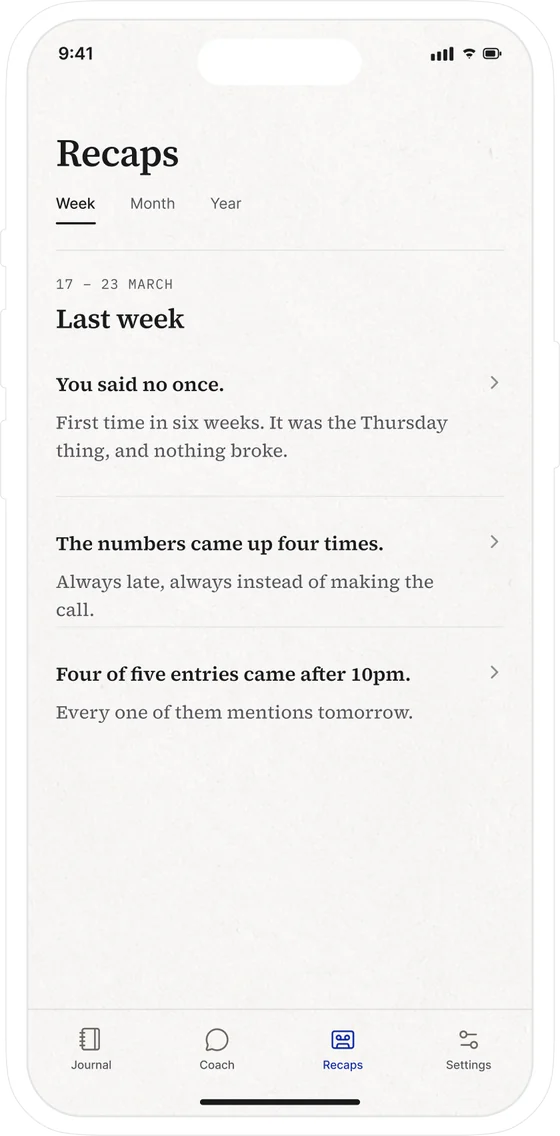
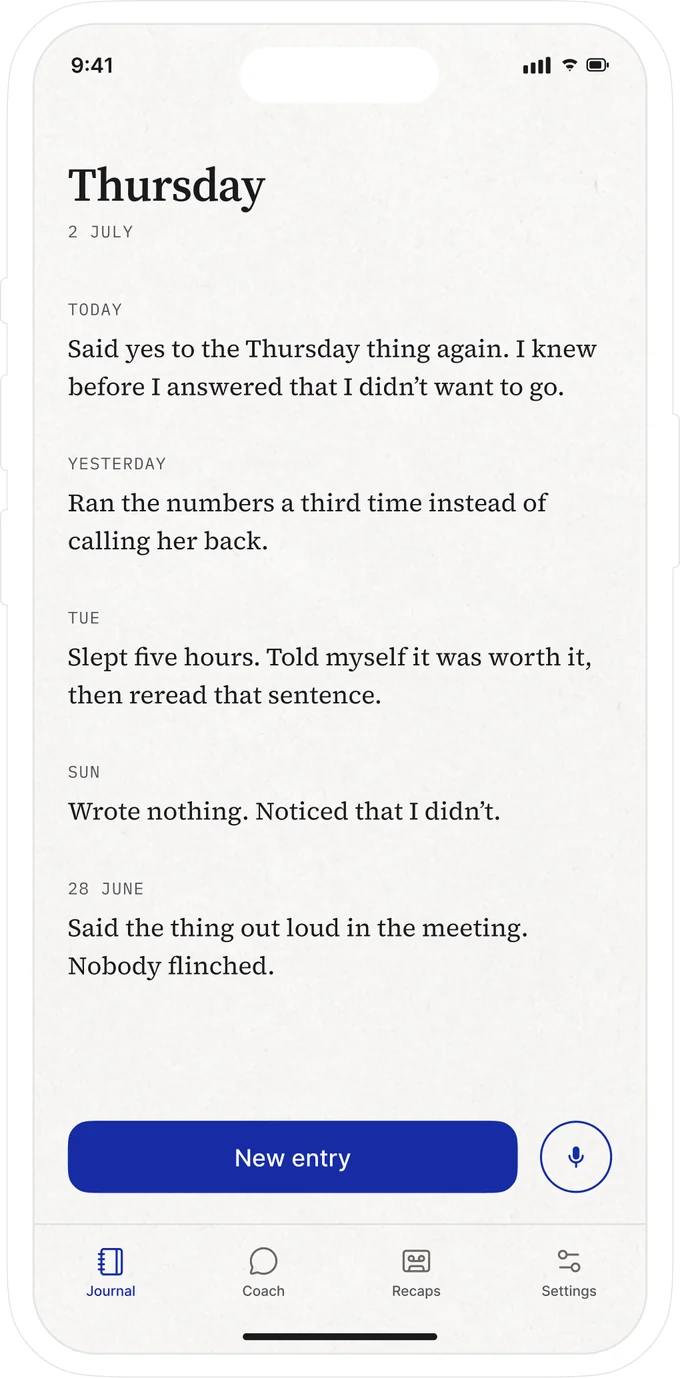
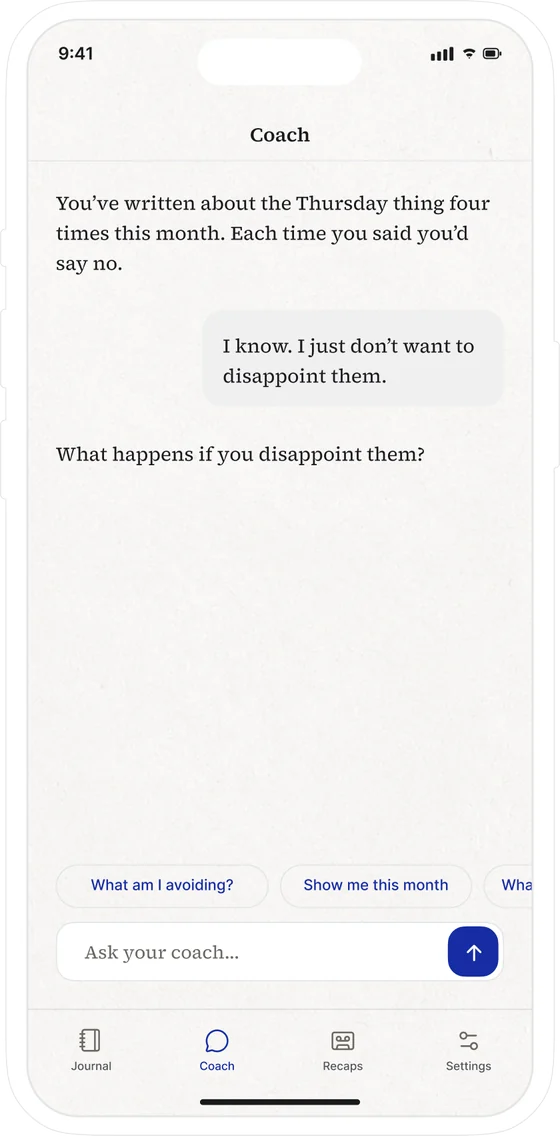
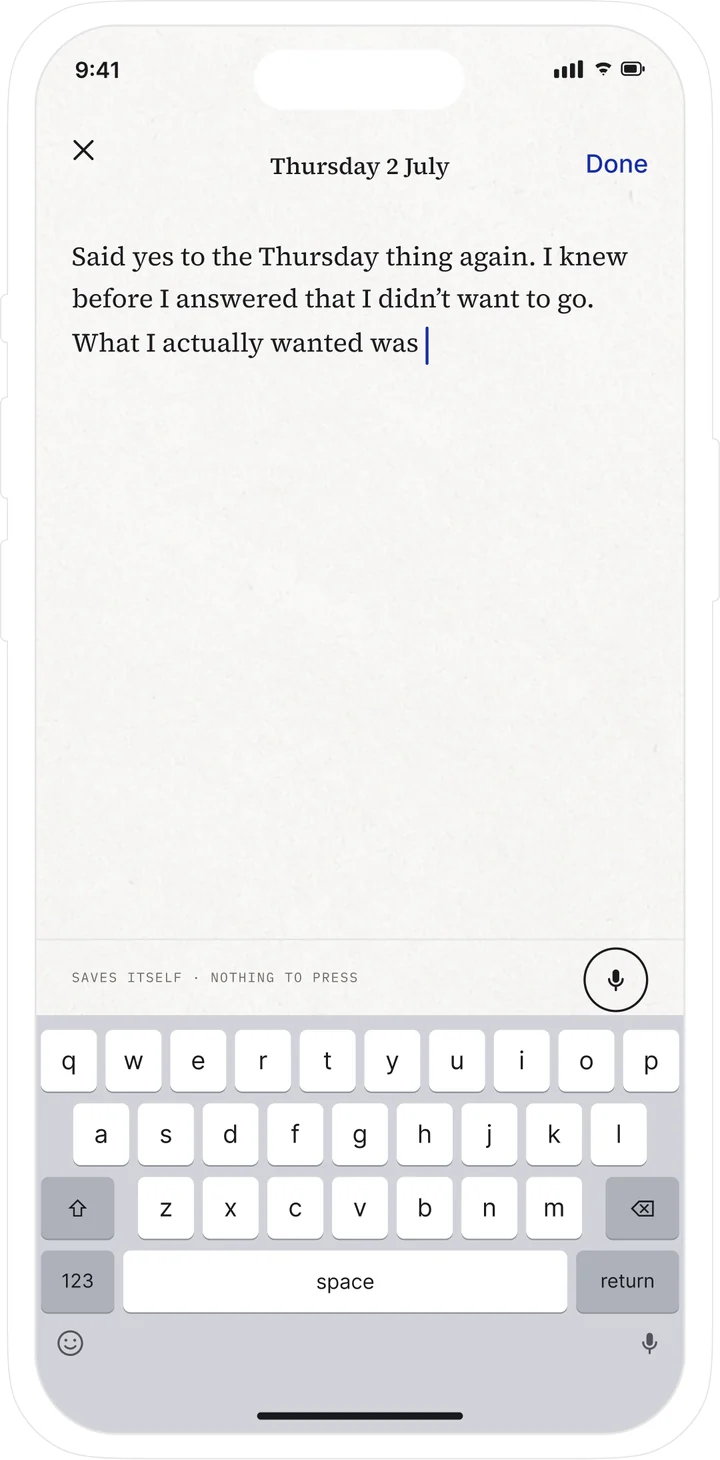
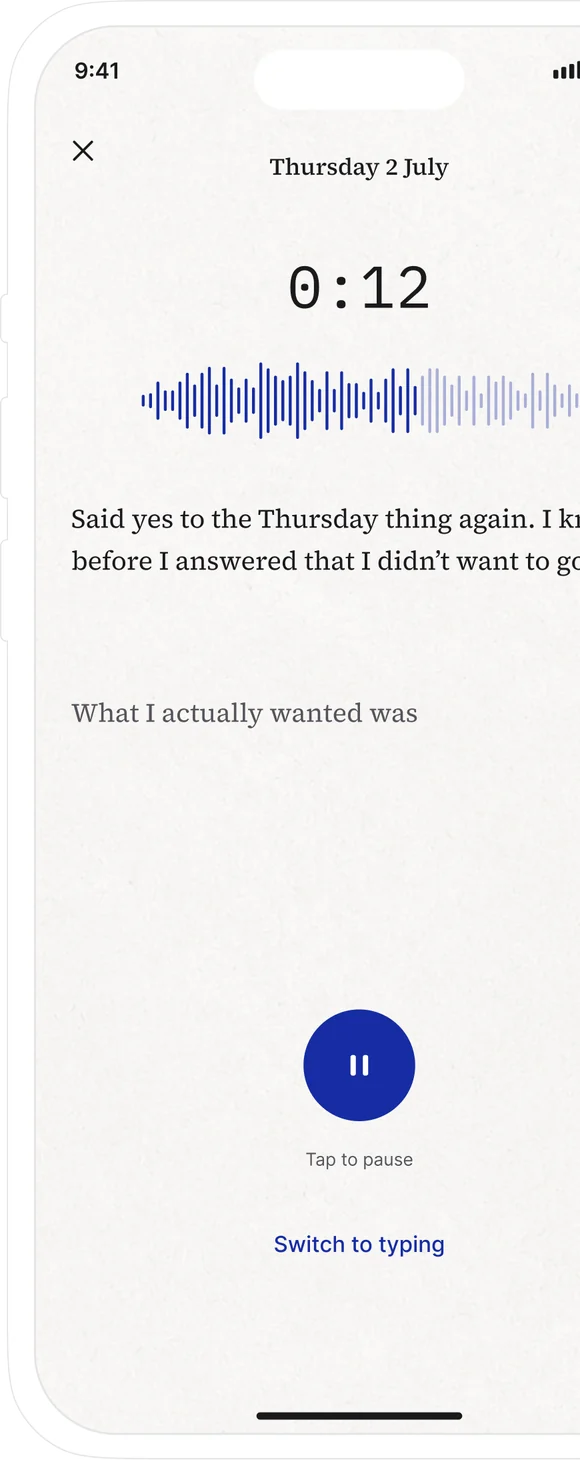
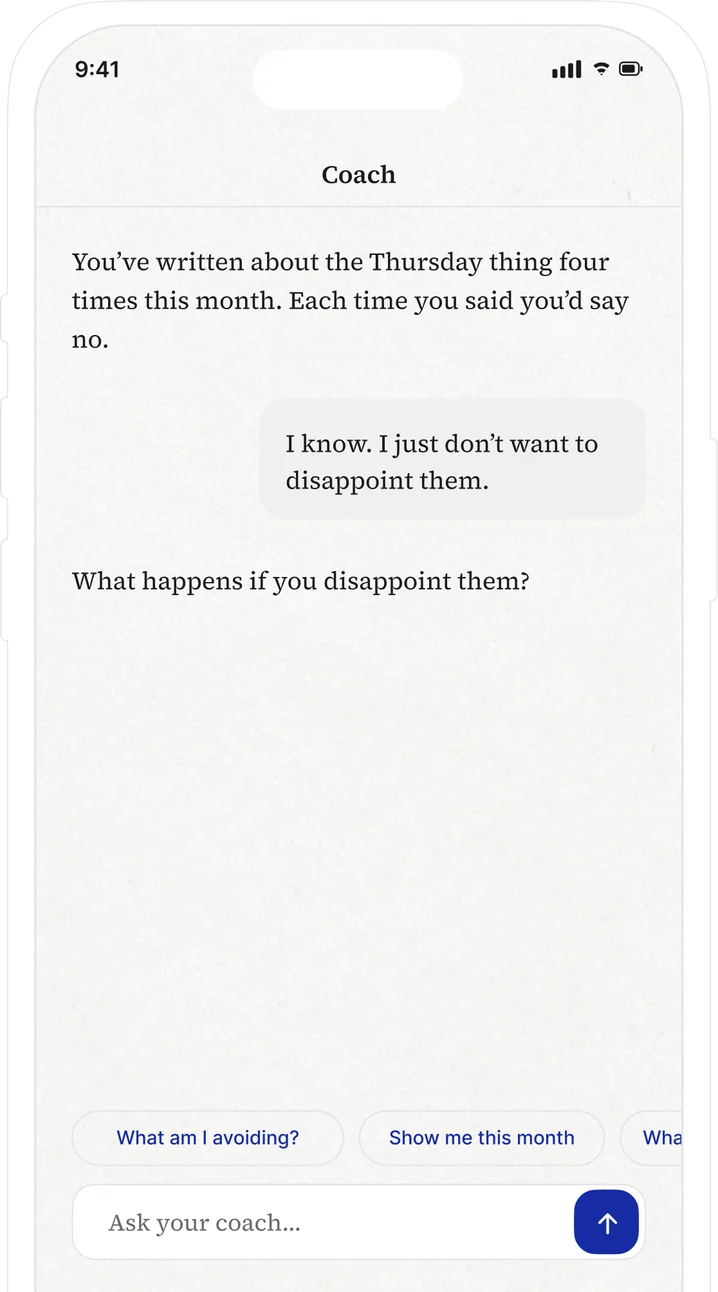
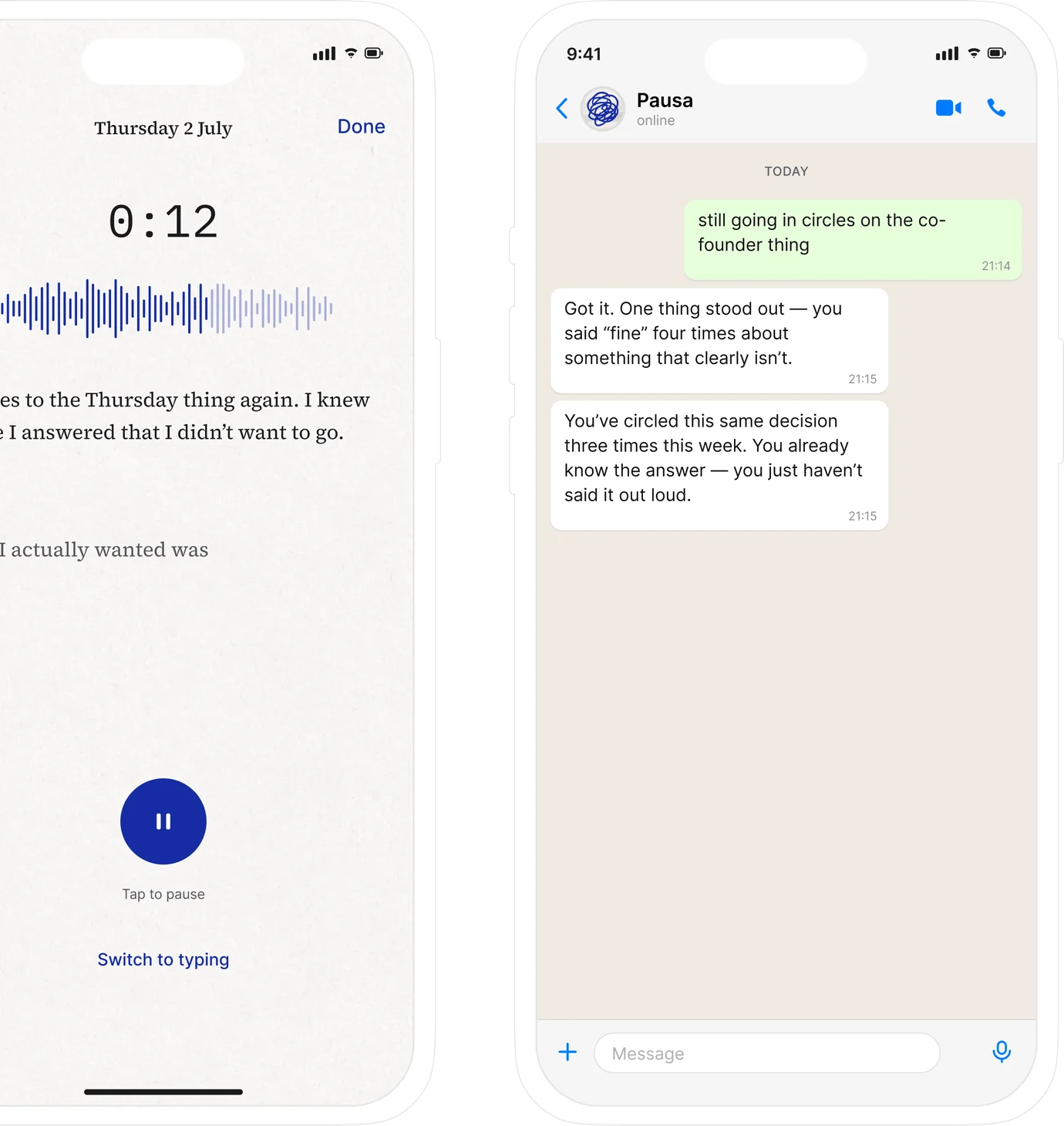
Did you know that knowledge workers make around 1,200 digital transitions every day? Each shift demands mental adjustment, leaving behind "attention residue" that can linger for up to 23 minutes [12]. Pausa, a tool for 20-second journaling via text, voice, email, or WhatsApp, helps interrupt this cycle of distraction. By generating daily recaps and suggested to-dos, it clears mental clutter, offering clarity and actionable next steps.
Digital platforms often lure us into "continuous partial attention" with endless scrolling and constant notifications, triggering dopamine hits [13][14]. Gloria Mark, PhD, Professor of Informatics at the University of California, Irvine, explains:
Every time you switch your attention, you have to reorient to that new activity... and this creates more effort. It uses more of our very precious mental resources [10].
By addressing these distractions, tools like Pausa help restore focus and reduce the mental toll of constant task-switching.
Building Reflection and Goal-Tracking Habits
Once you've decluttered your digital space, the next step is to build habits that promote reflection and goal tracking to maintain focus.
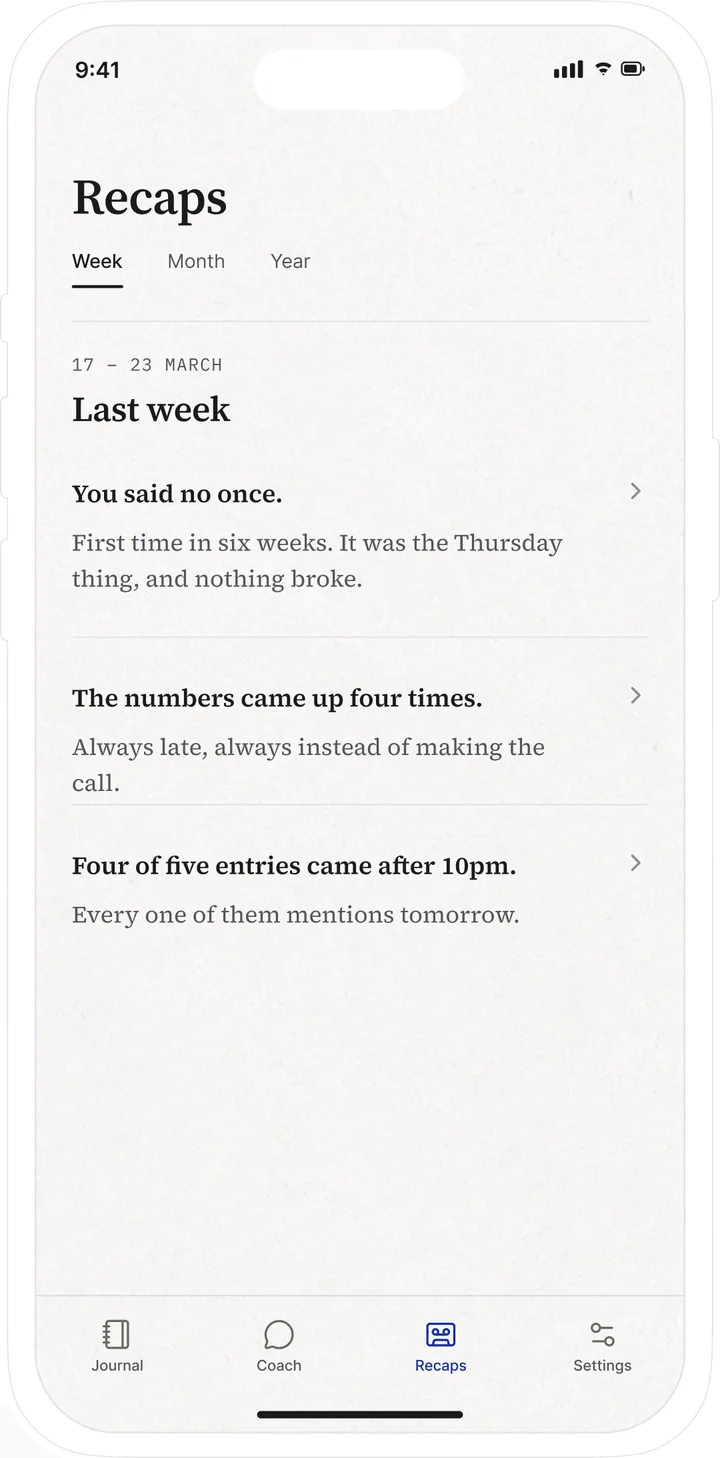
Sustained focus thrives on deliberate rest - activities like walking or gardening that allow your mind to recharge - rather than passive scrolling, which still drains mental energy [15]. Pausa’s weekly, monthly, and annual recaps not only summarize your digital activity but also encourage "assumption audits", helping you separate facts from interpretations in your communications [12].
Time-boxing is another effective strategy. By setting specific blocks of time for deep work - and even carving out guilt-free scrolling periods - you can ease the cognitive load of constant task-switching [15]. Pausa’s reflections, which can be done via email or WhatsApp at natural break points (like after finishing a task), further help you reset your focus with minimal effort [10]. Given that the average person checks their phone 96 times a day - roughly every 10 minutes [13] - a quick journal entry before diving into a digital interaction can establish a clear purpose and prevent aimless browsing [12].
AI as a Tool for Content Curation
While auto-generated content can overwhelm, using AI intentionally can simplify your digital consumption. When applied thoughtfully, AI can help tailor your information flow to support focus. Paul Leonardi, a researcher and author, notes:
Digital technologies fragment our attention in unprecedented ways... our brain must repeatedly redirect blood flow to different neural regions [12].
One strategy to consider is "digital eavesdropping." Dedicate 45 minutes three times a week to passively review public channels. This allows for "vicarious learning" without the cognitive strain of constant real-time engagement [12].
AI can also help manage the deluge of emails, which workers check every 37 minutes on average and which consume 28% of the workweek [16]. By using AI for email summaries and prioritization, you can cut through the noise - provided you approach these tools with intention and not passivity. Instead of letting AI take over, use it to enhance your focus and streamline your workflow.
Conclusion: Regaining Control in an Auto-Generated World
The average attention span on screens has dropped dramatically - from 2.5 minutes in 2004 to just 47 seconds by 2025. This sharp decline is a clear sign that our digital habits need a serious reset [2][3]. The flood of auto-generated content may seem unstoppable, but it doesn’t mean you have to let it overwhelm your life.
Taking charge of your tech interactions is key. As Christopher Dede, Senior Research Fellow at Harvard Graduate School of Education, aptly says:
The owl sits on your shoulder and not the other way around [17].
In other words, you’re in control - deciding when and how to engage with AI. Tools like Pausa, for example, help you reclaim mental clarity by letting you record thoughts in just 20 seconds and providing concise recaps. Simple changes, like creating screen-free zones or evaluating your "content diet", can help you regain focus and reduce digital overload. These shifts align with the digital detox and focused journaling strategies mentioned earlier.
The stakes are high. A significant 57% of Americans believe AI poses serious risks to society [18]. Karen Thornber, a professor at Harvard University, emphasizes:
The proliferation of 'cheap intelligence'... means that the skills of discernment, evaluation, judgment, thoughtful planning, and reflection are even more crucial now than before [17].
These skills - reflection and critical thinking - are inherently human and cannot be outsourced. Over-reliance on AI has documented cognitive downsides, making these abilities more vital than ever.
Practical steps can make a big difference. Removing social media apps from your home screen or taking a 20-second pause with Pausa before using your phone can help you visualize your goals before diving into digital distractions [3]. These small interruptions break automatic habits and bring intention back to your interactions.
While your attention may feel limited, it’s a muscle you can strengthen. Every mindful decision you make enhances your ability to focus. In a world drowning in auto-generated noise, the most powerful act you can take is deceptively simple: pause [19]. Use that pause to reflect, and let it guide you toward more intentional engagement with technology.
FAQs
How does AI-generated content affect our ability to think and focus?
AI-generated content has the potential to subtly chip away at some of the mental skills we rely on for sharp thinking and sustained focus. Research indicates that frequent use of tools like language models can slow down problem-solving, weaken memory retention, and make it harder to maintain attention. Experts call this effect "cognitive debt", where our mental abilities gradually become less sharp over time.
Overdependence on AI can also make it more challenging to critically assess information, navigate complex problems, and stay mentally engaged. While these tools can boost productivity, it’s important to balance their use with offline activities like reading, journaling, or tackling puzzles. These habits can help keep your mind clear and focused, ensuring that your cognitive skills stay strong.
How can I stay focused in a world overwhelmed by digital distractions?
To stay focused in a world full of digital distractions, start by carving out intentional breaks from technology. Small changes, like setting up phone-free zones, turning off unnecessary notifications, or dedicating time for screen-free activities - like a 30-minute walk or enjoying a peaceful morning coffee - can help declutter your mind and sharpen your focus.
Establishing boundaries is equally important. Instead of constantly checking emails or scrolling through social media, try grouping these tasks into specific time blocks. Tools like focus timers, such as the Pomodoro technique, can help you stay on track and avoid multitasking. You can also use AI tools - like article summarizers or journaling prompts - to cut down on information overload and make your workflow more efficient.
Mindfulness plays a big role too. Simple practices, like a quick two-minute breathing exercise or letting your mind wander without any digital interference, can boost creativity and reduce the urge to check your devices constantly. By blending these habits into your routine, you can take charge of your attention and ensure your tech use aligns with what truly matters to you.
Why is it harder to focus in today’s digital world?
Our ability to concentrate is under siege from the relentless flow of digital content and notifications. Between AI-generated media, social media updates, and a barrage of alerts, we're constantly forced into switch-tasking, making deep focus a rare commodity. In fact, U.S. adults spend an average of over 12 hours a day consuming digital content, often checking their smartphones dozens - or even hundreds - of times daily. This constant influx leaves little room for uninterrupted, meaningful thought.
The explosion of auto-generated content has only added fuel to the fire. Algorithms now feed us an endless supply of bite-sized videos, articles, and updates, conditioning our brains to chase fleeting bursts of stimulation rather than engaging in prolonged focus. Over time, this rewires our attention spans, causes decision fatigue, and fosters a lingering sense of distraction - even when we're away from our devices. These factors combined paint a clear picture of why maintaining focus has become such a daunting task in today's digital landscape.