
The Lost Art of Doing Nothing
Dec 1, 2025
Doing nothing—intentional idleness—reduces stress, boosts creativity, and improves emotional clarity in 5–10 minutes a day.
Feeling overwhelmed by constant busyness? Taking time to do nothing might be the reset you need. In a world that glorifies productivity, intentional idleness - deliberate pauses without distractions - can help reduce stress, improve focus, and spark fresh ideas.
Key takeaways:
Doing nothing isn’t laziness. It’s about giving your mind space to recharge.
Modern life discourages rest. Work culture and digital distractions keep us constantly "on."
Small steps matter. Start with just 5–10 minutes daily to sit quietly, free from screens or tasks.
Reflection tools can help. Journaling or apps like Pausa can turn idle moments into actionable insights.
The Dutch practice of niksen - simply existing without a goal - shows how idleness can be restorative. By embracing rest, you can lower stress, unlock new ideas, and develop emotional awareness. Ready to pause? Let’s explore how to reclaim the lost art of doing nothing.
Why You Need to Do Nothing | Therapist Explains
What Is Intentional Idleness?
Intentional idleness isn’t about shirking responsibilities or being lazy. It’s about deliberately carving out time to rest, without filling every moment with plans or tasks. This approach is a far cry from the passive scrolling or mindless distractions that are often mistaken for relaxation.
Defining 'Doing Nothing'
At its core, doing nothing means allowing yourself to simply exist. It’s not about zoning out with distractions but making a conscious decision to step back from productivity and let your mind wander freely.
Picture sitting quietly in your backyard or resting on the couch without a phone or book. The key is intentionality - choosing to pause, not as a way to procrastinate or avoid, but as an act of self-care.
There’s no agenda here, no goal to clear your mind or reach a specific state. It’s about granting yourself permission to exist without purpose for a little while. This is what sets intentional idleness apart from avoidance. Avoidance often stems from anxiety or resistance, while intentional idleness is a deliberate, mindful choice to pause and recharge.
This practice highlights a bigger issue: why so many of us, in today’s world, struggle to genuinely rest.
Why We've Lost the Ability to Rest
In the United States, work culture thrives on constant connectivity, which takes a toll on mental well-being. Many full-time employees feel obligated to check emails after hours, blurring the lines between work and personal time. Smartphones only add to this, creating an expectation to always be available.
Then there’s hustle culture, which glorifies being busy. Social media feeds are packed with productivity tips, early morning routines, and messages that equate rest with failure. This relentless pressure leaves many feeling guilty when they’re not actively working toward something.
On top of that, we’re hooked on constant stimulation. Every moment is filled with something demanding our attention - streaming shows, social media, notifications. Even our downtime is packed, leaving little room for genuine rest.
This nonstop connectivity has rewired our brains to crave input, so when we finally face a quiet moment, it can feel unsettling. Restlessness, anxiety, and the urge to grab a device often take over. It’s as if the ability to simply be still has faded from lack of use.
And let’s not forget the practical challenges. Between work, household chores, and social obligations, finding time to do nothing can feel impossible. Ironically, it’s this packed schedule that makes intentional rest so crucial.
The Dutch Practice of Niksen
While many cultures grapple with these pressures, the Netherlands offers a refreshing perspective through a practice called niksen. This Dutch concept translates to "doing nothing" or "being idle", and it’s exactly that - allowing yourself to be inactive without any specific purpose.
Niksen isn’t about achieving relaxation or self-improvement. It’s not tied to meditation or mindfulness. It’s simply about being idle: staring out the window, sitting quietly without a phone, or watching the rain fall. There’s no productivity angle and no hidden agenda.
In Dutch culture, rest isn’t seen as wasted time. While Americans often struggle with guilt around taking a break, niksen embraces idleness as a natural and necessary part of life. It’s viewed as a way to recharge mentally, free from the pressure to track progress or optimize.
What makes niksen so appealing is its simplicity. There’s no need for apps, guides, or techniques. All it requires is the willingness to stop and do nothing for a while. This could mean sitting on your porch without distractions, lying on the floor and gazing at the ceiling, or letting your thoughts drift as you stare at the clouds.
What sets niksen apart from other wellness practices is its lack of structure. There are no timers, no steps, no rules - just permission to be idle. For those accustomed to goal-driven routines, this can feel uncomfortable at first. But that discomfort serves as a reminder of how deeply ingrained the habit of constant doing has become. And breaking free from that can be a powerful step toward reclaiming rest.
The Benefits of Doing Nothing
In a world that values constant productivity, the concept of doing nothing might seem counterintuitive. But taking a step back from the endless grind of activity can have profound effects on your mental and emotional well-being. Allowing yourself time to simply be - without any agenda - can reset your mind and body in ways that even structured relaxation activities often can't.
Lower Stress and Anxiety
When you pause and let yourself exist without distractions, your body naturally shifts into a state of relaxation. The constant barrage of work, notifications, and daily responsibilities keeps your nervous system on high alert, pumping out cortisol - the stress hormone. Over time, elevated cortisol levels can lead to anxiety, poor sleep, and even physical health problems.
Doing nothing activates what’s known as the relaxation response, which is the antidote to the fight-or-flight mode that dominates modern life. Your heart rate slows, your breathing becomes deeper, and cortisol levels decrease. There’s no need for elaborate techniques or forced relaxation - simply stepping away from the stimuli that keep you on edge is enough.
True idleness allows your nervous system to fully decompress. For those dealing with chronic stress or anxiety, this might feel uncomfortable at first. Without distractions, underlying tension can bubble to the surface. But this discomfort is part of the healing process. By sitting with it, rather than trying to escape or fix it, your body learns to release that tension naturally.
Improved Creativity and Problem-Solving
Some of the best ideas don’t come from intense brainstorming sessions - they emerge when your mind is free to wander. Whether you’re staring out the window, taking a casual walk, or lying on the couch, these unstructured moments allow your brain to work in a completely different way.
When you’re focused on a task, your brain operates in the task-positive network - the part responsible for goal-oriented thinking. But when you let your mind drift, the default mode network (DMN) takes over. This network is active during rest and daydreaming, and it’s where the magic of creativity happens. The DMN connects seemingly unrelated ideas, processes memories, and generates insights.
If you’ve ever had a solution to a problem pop into your head while showering or driving, you’ve experienced the power of the DMN. Constant busyness keeps this part of your brain from functioning optimally, but doing nothing gives it the space it needs to shine. Unstructured moments - free from the pressure to produce - are where creativity thrives.
Better Emotional Awareness and Regulation
In today’s distraction-filled world, it’s easy to avoid uncomfortable emotions. Feeling anxious? Scroll through your phone. Frustrated? Binge-watch a show. Bored? Dive into your email. While these quick fixes might provide temporary relief, they also block you from processing your feelings.
Doing nothing strips away those distractions. When you sit quietly, emotions you’ve been avoiding often rise to the surface. This can feel overwhelming at first, especially if you’re not used to confronting difficult feelings. But this is where the real growth happens.
By allowing yourself to sit with your emotions, you start to notice patterns - what triggers certain feelings, how your body reacts to stress, and what thoughts accompany different moods. This self-awareness is the foundation of emotional regulation. Instead of reacting impulsively, you can pause, recognize what’s happening, and choose how to respond.
This practice doesn’t mean you’ll never feel overwhelmed or upset. Instead, it helps you build resilience. Over time, you become better equipped to handle emotional challenges without being consumed by them. Without the constant noise of activity, you can reflect on what matters most to you and gain clarity about the changes you need to make in your life.
The beauty of doing nothing lies in its simplicity. It’s not about achieving a specific outcome - it’s about giving your mind and body the space to function as they were meant to, free from relentless demands. In a world that rarely encourages stillness, choosing to do nothing can be a powerful act of self-care.
How to Practice Doing Nothing
At first glance, doing nothing might sound easy, but let’s be honest - it can feel surprisingly difficult. Sitting still often stirs up a racing mind or the urge to fidget. That’s perfectly normal, especially if you’re used to staying busy all the time. The key is to start small and give yourself the space to simply be. This practice can help nurture the mental clarity we’ve touched on earlier. Here are some ways to ease intentional idleness into your daily routine.
Start with 5–10 Minutes a Day
Don’t dive into long sessions right away - that can feel overwhelming. Instead, carve out just 5–10 minutes each day. This short window won’t disrupt your schedule, but it’s enough to create a pocket of calm.
Choose a consistent time of day, like morning or afternoon, when you can commit to this practice. What’s most important is showing up regularly. There’s no need to aim for a perfect meditation or force your mind into stillness. Just allow yourself to sit without an agenda.
Create a Distraction-Free Zone
A quiet, comfortable space can make all the difference. Find a spot where you won’t be interrupted - maybe a cozy chair by the window, a corner of your room, or even a quiet park bench. Set your phone aside and turn off any devices to avoid the temptation of notifications or social media. You might even close your eyes to reduce visual distractions [1]. The idea is to remove anything that might pull your attention away, giving your mind the freedom to unwind.
Managing Mental Restlessness
Even in a distraction-free setting, your mind might resist settling down. You may find yourself replaying old conversations, worrying about the future, or mentally running through your to-do list. Your body might feel restless, too. That’s okay - it’s all part of the process. It simply means you’re working against the ingrained habit of constant activity.
Instead of battling these feelings, acknowledge them. Notice your thoughts without attaching to them, as if you’re watching clouds drift across the sky. If your mind starts planning tomorrow’s tasks, recognize it and gently bring your focus back. One helpful anchor is your breath - observe it as it flows in and out, steady and natural. If your body needs a small adjustment, go ahead. This isn’t about sitting rigidly still; it’s about allowing yourself to be.
With time, that initial restlessness may begin to fade, and you’ll find it easier to settle into these moments of quiet. But remember, the goal isn’t perfection. The real value lies in giving yourself permission to pause, even when it feels challenging.
Using Reflection and Journaling
When you allow yourself intentional moments of idleness, thoughts and emotions often rise to the surface - thoughts that are typically buried beneath the chaos of daily life. These moments of clarity can be fleeting, slipping away as quickly as they appear. That’s where journaling steps in. By jotting down these insights, you turn fleeting thoughts into something concrete, laying the foundation for a straightforward and meaningful journaling habit.
Capturing Insights After Idle Time
Quiet, undistracted moments give your mind the space it needs to process what’s been simmering beneath the surface. You might suddenly understand why a particular situation has been bothering you, or you might stumble upon a creative solution to a problem that’s been nagging at you. Perhaps you’ll uncover what truly matters to you in this moment or notice emotional patterns you hadn’t recognized before.
Journaling not only helps clarify these thoughts but also preserves them, creating a record of your inner journey. Flipping through old entries can reveal how far you’ve come, the challenges you’ve tackled, and how your goals have shifted over time.
This doesn’t have to be a long, drawn-out process. Just a few sentences can capture the essence of what stood out during your quiet time. Did a particular thought keep resurfacing? Did your mood shift noticeably? Did something finally make sense that had been confusing before? Write it down in your own words - don’t worry about grammar or structure.
To guide your journaling, ask yourself questions like: What am I feeling right now? What caught me off guard? What needs my attention? These prompts can help uncover insights that might otherwise remain hidden. Once you’ve captured these reflections, tools like Pausa can help you turn them into actionable steps.
How Pausa Supports Reflection
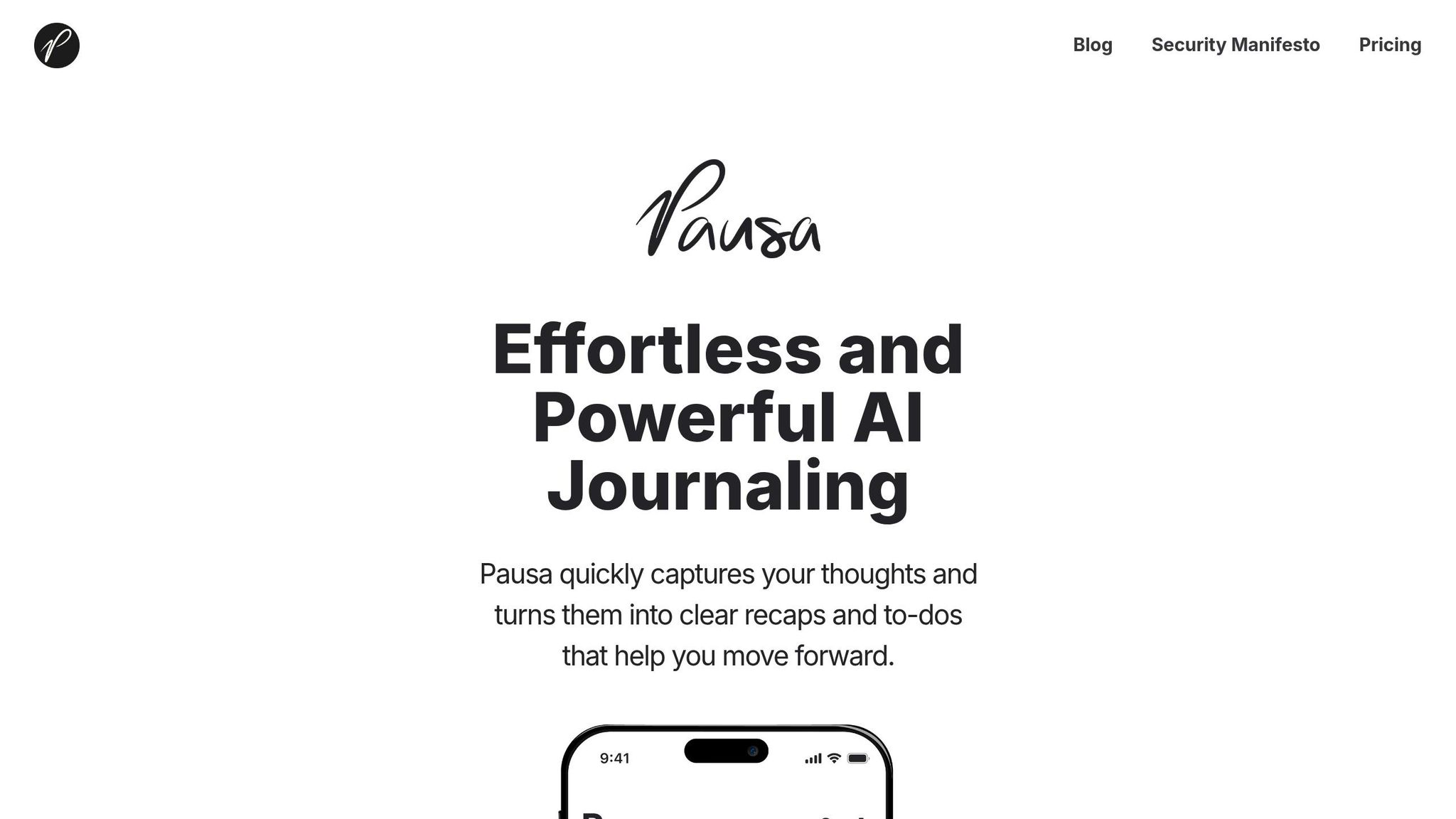
If traditional journaling feels like too much of a commitment, there are quicker, simpler ways to capture your thoughts. That’s where Pausa comes in. Designed for those who want the benefits of journaling without the time investment, Pausa lets you record your reflections in just 20 seconds.
After a period of idleness, you can quickly note what came up - either by typing or speaking. The voice input feature is especially handy for capturing thoughts before they vanish. This makes journaling fast and accessible, even for the busiest schedules.
Pausa goes a step further by using AI to organize and clarify your reflections. It creates daily recaps that highlight recurring themes and patterns, helping you see connections you might otherwise miss. Over time, weekly, monthly, and annual summaries provide a broader perspective on your personal growth, showing how you’ve evolved and what has consistently mattered to you.
The tool also bridges the gap between reflection and action by suggesting to-dos based on your entries. For instance, if you mention wanting to reconnect with an old friend or set firmer work boundaries, Pausa can turn those reflections into actionable steps. This ensures your insights don’t just stay in your journal but translate into meaningful progress.
Additionally, Pausa includes goal tracking features, allowing you to monitor your progress on what’s most important to you. When you pair intentional idleness with structured reflection and actionable follow-through, you create a powerful cycle: rest leads to clarity, journaling captures it, and tracking helps you act on it.
Conclusion
In a society that often equates constant productivity with success, the simple act of doing nothing has become a bold form of self-care. The reality is, our brains aren't designed to operate at full speed all the time. Those moments of purposeful stillness - free from digital distractions - allow your mind to reset, process, and make sense of everything it's been taking in. These quiet pauses create the mental space needed for clarity, insights, and reflection.
The advantages are undeniable: reduced stress, enhanced creativity, and improved emotional balance. These aren't perks reserved for those with endless leisure time - they're available to anyone willing to set aside even five minutes for genuine rest. The Dutch concept of niksen has embraced this for years, and now research supports what many traditions have long understood: doing nothing is, in fact, deeply beneficial for mental well-being.
Starting small makes all the difference. You don’t need to dedicate entire afternoons or escape to a remote retreat. Just five to ten minutes a day can make an impact. Sit quietly, free of distractions, and let your thoughts wander naturally. It’s normal to feel restless at first, but with practice, that discomfort fades, making room for calm and clarity.
Pairing these moments of idleness with reflection can amplify their impact. When insights emerge - and they will - capture them before they slip away. Whether you jot them down in a notebook or use tools like Pausa's fast journaling feature, recording your thoughts turns fleeting ideas into meaningful progress. Pausa offers a quick way to distill your reflections into actionable steps, helping transform moments of rest into powerful opportunities for growth.
Treat rest with the same importance as your work commitments. Plan for it, protect it, and allow yourself the freedom to pause. Often, your most creative ideas, sharpest thoughts, and truest self-discoveries come not from doing more, but from giving yourself permission to do less.
FAQs
How can I get past the restlessness of doing nothing when starting out?
Start by carving out just 10–15 minutes in a quiet, cozy spot where you can relax without interruptions. Close your eyes, take a few slow, deep breaths, and let your thoughts come and go freely - no need to judge or control them. Make sure to keep distractions, like your phone or chores, out of reach during this time.
If sitting still feels tough, try focusing on the rhythm of your breath or tuning in to the sounds around you. With practice, these moments of stillness will feel more natural and enjoyable as your mind gets used to the calm.
How can I incorporate the practice of 'niksen' into my busy daily routine?
To bring a bit of niksen - the Dutch idea of purposeful idleness - into your hectic routine, try carving out small pockets of stillness during your day. For example, take a few minutes in the morning to sit quietly with your coffee or spend some time simply gazing out the window during a break.
Let your thoughts drift naturally, without feeling the need to accomplish anything. You might also enjoy easy, relaxing activities like doodling, listening to your favorite music, or going for a slow, aimless walk. These brief pauses can refresh your mind and bring a sense of clarity to the rest of your day.
How is doing nothing different from meditation or mindfulness, and what unique benefits does it provide?
Letting yourself do nothing is a distinct practice from meditation or mindfulness. Instead of focusing on staying present or fostering awareness, it’s about deliberately giving your mind the freedom to wander without any specific aim. There’s no structured breathing or mental anchoring - just a chance to let your thoughts drift naturally.
This approach comes with its own perks, such as easing mental tension, sparking creative ideas, and gaining a fresh sense of clarity. In a world that’s always on the go, doing nothing can be a surprisingly effective way to recharge and reconnect with yourself.