The Internet Is Full, But Your Mind Doesn’t Have to Be
Dec 22, 2025
Turn digital overwhelm into clarity with AI-assisted journaling that organizes thoughts, tracks moods, and suggests actionable next steps for better focus.

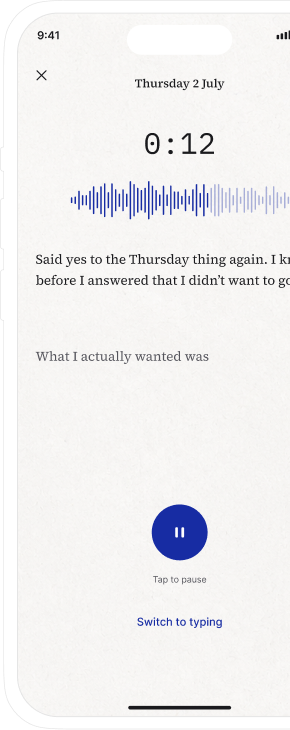
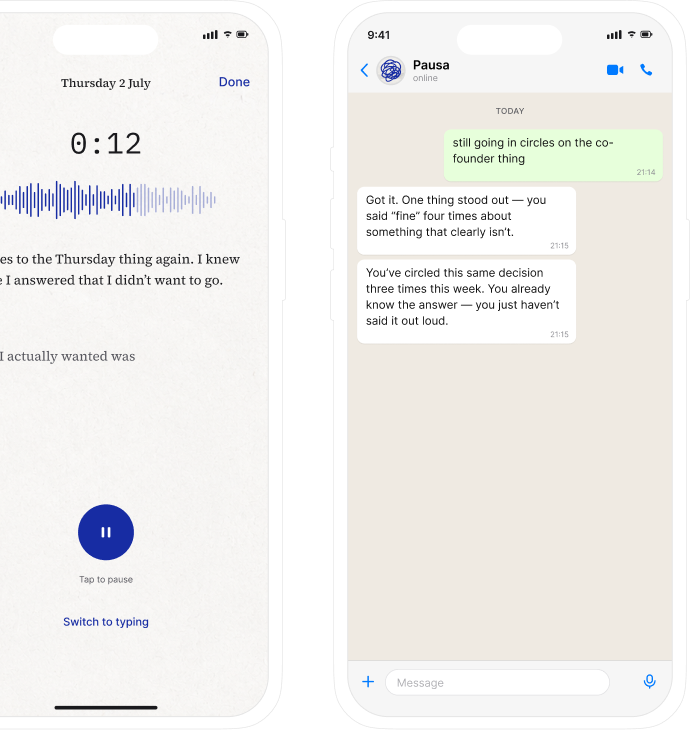
The internet overwhelms us with endless notifications, packed inboxes, and constant updates. This digital overload scatters thoughts, weakens memory, and drains focus. Pausa, an AI-assisted journaling tool, helps cut through this noise by organizing your thoughts, identifying patterns, and suggesting actionable steps. In just seconds, you can record reflections via text or voice, and Pausa will create summaries and track your progress over time.
Key takeaways:
Mental overload stems from constant screen time and scattered information.
Traditional methods like paper journaling often fail due to lack of structure.
Pausa simplifies journaling, turning fragmented thoughts into clarity and focus.
Features include daily summaries, mood tracking, and actionable to-do suggestions.
Can AI understand your Mind? I tested it with 600 journal entries 🤖
The Problem with Mental Clutter and Why Common Solutions Don't Work

Traditional vs AI-Assisted Journaling Methods Comparison
How Constant Internet Use Creates Mental Overload
In the United States, the average person spends at least 8.5 hours a day glued to screens - whether it’s a computer, phone, or TV [5]. This constant exposure changes the way your brain works. Researchers describe it as "rapid, distracted sampling", where you’re constantly hopping from one piece of information to another without diving deep [7]. Over time, your brain adapts to this pattern through neuroplasticity, rewiring itself to prioritize short bursts of attention instead of sustained focus [5].
Every ping from a notification, every email, and every social media update clutters your mental space, leaving little room for actual, meaningful thought [6]. Daniel Levitin, a professor of Behavioral Neuroscience at McGill University, explains the toll this takes on your brain:
"That switching comes with a biological cost that ends up making us feel tired much more quickly than if we sustain attention on one thing" [4].
On top of that, workers lose an average of 30 minutes a day just trying to figure out which tool or app to use, while their brains burn through energy reserves making countless tiny decisions. This mental strain leaves you drained before you’ve even tackled meaningful tasks [8]. It’s this constant juggling act that explains why typical "solutions" often don’t work.
Why Common Coping Methods Fail
When faced with mental overload, many people turn to quick fixes that ultimately backfire. For instance, doomscrolling on social media might feel like a break, but it keeps your brain in a reactive mode, constantly responding to external triggers instead of focusing on your own priorities [9].
Even something like journaling, which seems productive, can become counterproductive if it’s unstructured. Scattered notes across random apps, notebooks, or devices often lead to more chaos than clarity. Amanda Jefferson, a tech and productivity coach, puts it perfectly:
"What can be sneaky about digital clutter is that it doesn't feel finite like physical clutter... It feels like a black hole and people feel defeated before they even start" [11].
The problem isn’t that these methods are inherently bad - it’s that they don’t address the underlying issue. Your brain needs a system to process and organize information, not just capture or avoid it. A 2024 study found that 89% of UK adults feel overwhelmed by digital clutter [11], yet many keep using these ineffective methods. This is where structured, technology-driven solutions come into play.
Comparison Table: Old Methods vs. AI-Assisted Journaling
Method | Structure | Primary Purpose | Long-Term Effect | Effort Required |
|---|---|---|---|---|
Doomscrolling | None (Reactive) | Distraction/Numbing | Leads to decision fatigue and fragmented focus | Low upfront, high mental cost |
Scattered Note-Taking | Unstructured | Captures random thoughts | Adds to digital clutter without clear outcomes | Medium, no real payoff |
Paper Journaling | Semi-structured | Introspection | Helpful but time-consuming, hard to track patterns | High time commitment |
AI-Assisted Journaling | Structured by AI | Mental decluttering and insights | Provides clarity and actionable takeaways | Low |
The standout feature of AI-assisted journaling is its ability to act as "scaffolding", a concept researchers use to describe temporary support that helps you build mental resilience [10]. Instead of just dumping your thoughts into a notebook or app, this method organizes them, identifies patterns, and gives actionable feedback - all without adding to your mental workload. By addressing these common pitfalls, it becomes clear why a structured, tech-enabled approach is the key to breaking free from mental clutter.
How Pausa Solves Information Overload

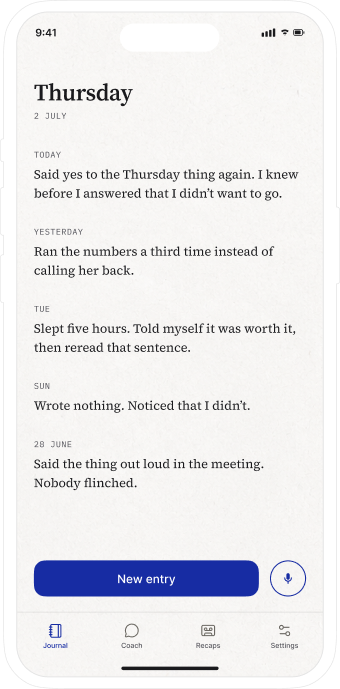
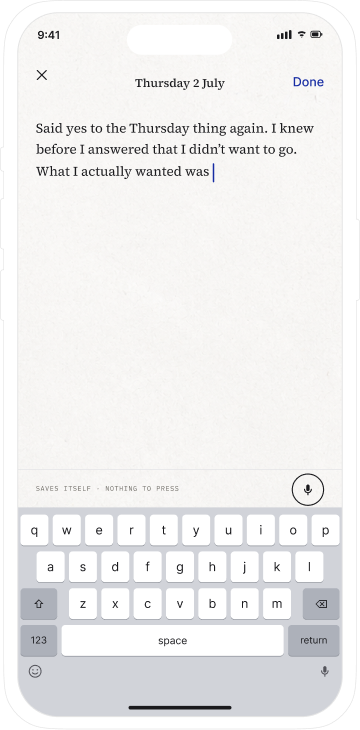
Tackling the overwhelming flood of information starts with turning scattered thoughts into organized insights. Pausa approaches mental clutter differently by organizing, summarizing, and transforming fragmented ideas into actionable steps. Instead of simply being another tool in your digital arsenal, it acts as a filter - processing the noise and bringing clarity back to your mind. It works seamlessly with how your brain operates, capturing inputs through text, voice, email, or WhatsApp, and then using AI to synthesize these without requiring much manual effort.
What sets Pausa apart is that it doesn't just store your thoughts like a static notebook; it actively processes them, uncovering patterns, tracking moods, and identifying actionable items. This aligns perfectly with productivity expert David Allen's well-known perspective:
"Your mind is for having ideas, not holding them" [12].
By externalizing your mental clutter, Pausa helps free up your brain's working memory - much like clearing a small whiteboard that's become overcrowded - ultimately easing chronic stress and decision fatigue over time [6]. This foundational process paves the way for its AI-driven features, which aim to enhance both clarity and productivity.
AI Summaries and Recaps for Mental Clarity
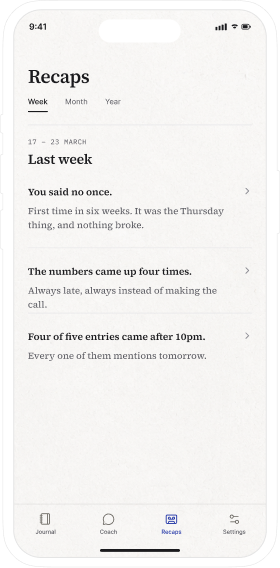
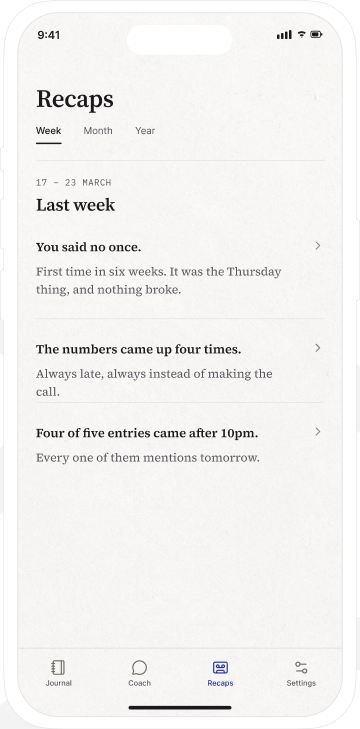
Once your mental clutter is filtered, Pausa steps in to condense your thoughts into clear, concise summaries. Considering that we process thousands of thoughts daily [13], Pausa's AI recaps distill your entries into snapshots that highlight key themes, recurring patterns, and emotional trends. Instead of combing through pages of old notes trying to piece things together, you’re presented with a straightforward summary of your mental state.
These recaps use an "answers-only" input workflow - where you respond to prompts without needing to restate the questions - making it easier to identify moods, themes, and potential next steps [1]. For instance, if you’ve consistently recorded feelings of overwhelm, Pausa’s weekly recap will spotlight this trend, helping you pinpoint what might be draining your energy. Research from May 2025 even shows that positive expressive writing can significantly improve emotional well-being [1].
Turning Thoughts into Actionable To-Dos
Journaling often feels like shouting into the void - after venting about your challenges, nothing changes. Pausa flips this script by suggesting tasks and next steps based on your reflections, encouraging you to define the smallest actionable move forward [3].
This feature is particularly helpful given that the average person makes around 300 decisions daily [12], a number that contributes to decision fatigue. By translating vague reflections into clear tasks, Pausa removes the guesswork and lays out tangible steps. As Life Note aptly puts it:
"Clarity isn't a mood. It's a practice." [3]
Goal Tracking and Long-Term Reflection
Clarity isn’t just about managing the present - it’s also about building momentum for the future. Pausa’s goal tracking and pattern analysis tools help you see the bigger picture by identifying trends over weeks and months, bringing to light insights you might otherwise miss.
It also supports structured reflection through frameworks like the CLAIR Template (Check-in, Label the story, Ask the better question, Intent, and Response), which guides your daily actions to align with long-term goals [3]. Instead of reacting to the endless flow of information, you can intentionally design your life. As Life Note explains:
"Your journal is where your life stops being a reaction - and starts becoming a design." [3]
With Pausa, that design becomes not only visible but also actionable and measurable.
Building a Simple AI Journaling Routine
Incorporating AI journaling into your day doesn't have to feel like a chore. Instead, think of it as habit stacking - pair it with something you already do, like your morning coffee or winding down before bed [14][16]. By anchoring journaling to existing habits, it naturally fits into your schedule without adding extra stress. The idea is to make it seamless, not burdensome.
Clinical psychologist Ryan Howes, PhD, sums it up well:
"The journal is there to serve you. You don't want it to feel like a job" [16].
Using tools like Pausa, you're not spending 30 minutes scribbling down pages of thoughts. Instead, aim for 3–7 lines - just enough to give the AI meaningful insights while respecting your time [1].
Morning Reset: Starting the Day with Intention
A quick 2–5 minute session in the morning can help you clear your mind and set a clear focus for the day. With Pausa, you can use text or voice input to define one key goal and your first step toward achieving it [1].
To keep it concise and effective, try the answers-only approach. For example, instead of writing, "My goal today is to finish the client presentation", simply say: "Finish client presentation by 2:00 PM. First step: review slides with fresh eyes." This method helps you kickstart your day with clarity and purpose before distractions take over.
Evening Declutter: Wrapping Up the Day
Spend 5–10 minutes in the evening to reflect on the day and review Pausa’s AI-generated summaries. Note one success and one challenge from your day, and let the AI suggest a small adjustment for tomorrow [1]. This practice keeps you from overthinking and helps you wind down.
If you're dealing with tough emotions, set a 10-minute timer [16]. When it rings, close the journal and leave those feelings on the page. As Ryan Howes explains:
"Pausing to reflect on how things are going by writing them down will give you more intentionality and clarity during your day and throughout your life" [16].
This approach creates boundaries, preventing journaling from becoming overwhelming and helping you end the day on a lighter note.
Weekly Reflection for Bigger Picture Insights
A 10–20 minute weekly review allows you to step back and see the bigger picture. Throughout the week, mark important entries or insights in Pausa, so they’re easy to revisit [1]. Use the AI summaries to identify patterns - what’s draining your energy, what’s fueling you, and where you’re making progress.
This session shifts your focus from simply recording events to actively shaping your future [3]. Ask yourself: What am I willing to trade for the life I want? [3]. Then, commit to one actionable step based on the AI’s insights [1]. With the average American spending over 10 hours a day on screens [15], taking this intentional pause helps develop what researchers call "boredom tolerance", a skill linked to greater creativity [15]. Your weekly reflection becomes a moment to stop reacting and start designing your life.
Using AI Journaling Safely and Intentionally
AI-assisted journaling is a tool to aid self-reflection, not a replacement for professional mental health care.
"AI is not a therapist. It has no license, no embodied attunement, no legal duty of care. Its safest role is supportive - helping you articulate emotions, surface patterns, and run small self-experiments - never diagnosing, never handling crisis" [17].
If you’re dealing with suicidal thoughts, dissociation, psychosis, or find yourself relying solely on AI for trust, stop using it immediately and seek help from a licensed mental health professional [17]. These boundaries ensure that AI journaling remains a safe and constructive practice.
Best Practices for AI-Assisted Journaling
Start by writing your core entry before using any AI features. This keeps your thoughts rooted in your personal perspective [2]. Once Pausa generates insights or summaries, give yourself 24 hours before acting on them [17]. Allowing time for reflection helps avoid mental clutter that can arise from jumping too quickly between AI suggestions.
Always review AI-generated summaries critically, especially when it comes to emotional patterns. You know your experiences best. For particularly sensitive topics, consider using a physical notebook instead [2].
Privacy and Data Security
No online platform is entirely risk-free. Security researcher Jared Henry emphasizes:
"AI journaling is not 'safe.' Nothing connected to the internet is. But I've taken steps to make it safe enough for me" [19].
While Pausa prioritizes data security, you can further protect yourself by practicing data hygiene. Avoid including highly sensitive details like full names, addresses, or financial information in your entries [1]. Regularly exporting your journal entries ensures you maintain ownership of your data [1].
To maintain emotional safety, balance venting with reflection. Pair emotional expressions with lessons or insights to shift from a reactive mindset to a more reflective one [18]. This combination of mindfulness and security fosters long-term clarity.
Achieving Long-Term Mental Clarity with Pausa
By combining mindful journaling habits with secure practices, Pausa becomes a "second mind", helping you uncover patterns that might otherwise go unnoticed [2]. It can identify recurring triggers, highlight gaps between your values and actions, and reveal how your self-perception shifts depending on your mood [2]. As Daniel W. Chen from Life Note explains:
"AI isn't replacing reflection; it's extending it. Where traditional journaling captures moments, AI connects them" [2].
The aim is not to rely entirely on technology but to create a stable system that transforms scattered thoughts into clear priorities. Licensed therapist Sergio Rodriguez Castillo offers this perspective:
"I see AI journaling not as a replacement for therapy, but as a powerful tool to complement it" [2].
With Pausa, you’re not just documenting your thoughts - you’re building a framework for greater mental clarity, fostering calm and focus over the long term.
Conclusion: Reclaim Your Mental Space with Pausa
The internet isn’t slowing down anytime soon, but your mind doesn’t need to keep up with every ping, post, or update. In fact, a 2024 study found that 89% of adults feel stressed or overwhelmed by digital clutter [11]. This isn’t just your struggle - it’s a shared experience. The answer isn’t cutting yourself off completely but building a system that helps you focus on what matters and let go of the rest. It’s about regaining control.
Pausa steps in as a tool that transforms chaos into clarity. It organizes your thoughts into quick summaries and actionable steps, whether you’re using text, voice, email, or WhatsApp. With daily, weekly, and monthly recaps, it helps you track patterns, set goals, and live intentionally instead of reacting to the endless stream of digital noise.
This isn’t about adding complexity to your life - it’s about simplifying it. Start small: jot down a morning focus to set your intentions and an evening entry to reflect on wins and lessons [1]. Technology should work for you, like a personal assistant, not become another source of stress [11].
Mental clarity doesn’t mean striving for perfection. It’s about creating a system that supports you. Pausa doesn’t replace self-reflection; it enhances it, connecting the dots between your moments and turning them into meaningful insights. Ready to take control? Open Pausa, write down one thought, and begin transforming the noise into clarity.
FAQs
How does Pausa help you stay focused and manage mental clutter?
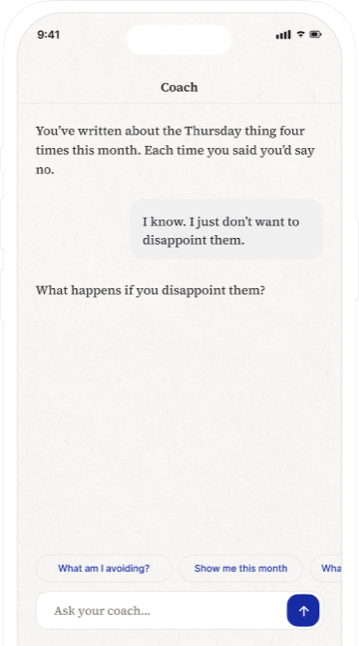
Pausa is designed to help you clear mental clutter by turning the endless stream of online information into a personal, AI-driven journaling space. It makes it easy to capture and organize your thoughts, while its AI coach steps in to pinpoint key themes, emotions, and actionable takeaways - eliminating the need to manually sift through everything.
With Pausa, you can build a searchable, well-organized archive of your ideas, giving your mind the breathing room it needs and easing the stress of managing too many thoughts at once. It also offers thoughtful prompts to spark self-reflection, helping you spot patterns and focus on what truly matters. Pausa transforms digital overwhelm into clarity, making it simpler to stay on top of your priorities.
How does AI-assisted journaling provide more benefits than traditional journaling?
AI-assisted journaling takes the traditional practice of journaling to a whole new level by making it easier, more reflective, and centered on personal development. Instead of staring at a blank page wondering where to start, AI offers smart prompts and pre-designed templates to guide your writing. It even tags your entries with moods, themes, and actionable steps, so you can dive straight into your thoughts without feeling stuck.
What’s more, AI can detect patterns and trends in your journal entries that you might not notice on your own. For instance, it can highlight recurring emotional triggers or track long-term changes in your mood. By presenting this data visually, it gives you a clearer picture of your mental and emotional well-being - without needing to comb through old entries.
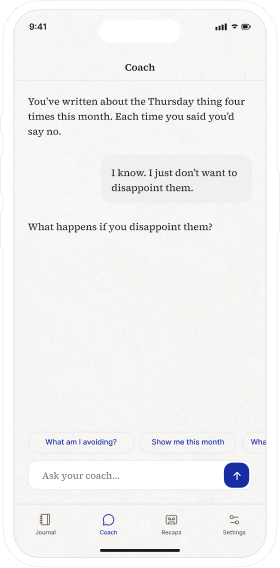
Beyond that, AI serves as a personalized coach, using psychological principles to provide tailored follow-up questions and constructive feedback. This interactive approach not only deepens your self-awareness but also helps you make better decisions and keeps your journaling habit focused on meaningful growth, rather than just documenting daily routines.
How can I start using AI journaling daily without feeling overwhelmed?
Incorporating AI journaling into your daily routine doesn't have to be complicated. Start by picking two consistent times each day. For example, you might dedicate 5 minutes at 7:00 AM for morning planning and another 5 minutes at 9:30 PM for evening reflection. Keeping these sessions short and predictable makes it easier to stick with the habit.
To simplify the process, use pre-made prompts or templates. Questions like "What’s one priority for today?" or "How do I feel about my day?" can save time and reduce the mental load of coming up with ideas. Keep your responses brief - bullet points or short sentences work perfectly. Setting a timer for five minutes ensures the practice stays manageable and doesn’t feel like a chore.
At the end of each week, take a moment to review your entries. This helps you spot patterns or gain insights into your thoughts and actions. For added peace of mind, back up your notes monthly to keep everything organized and secure. By following these steps, AI journaling can become a quick and effective way to boost mental clarity without adding extra stress to your day.