
When Everything Is “Content,” Nothing Feels Real
Dec 12, 2025
Social media makes life performative, widening the gap between your real and curated self; private journaling and digital boundaries can restore authenticity.
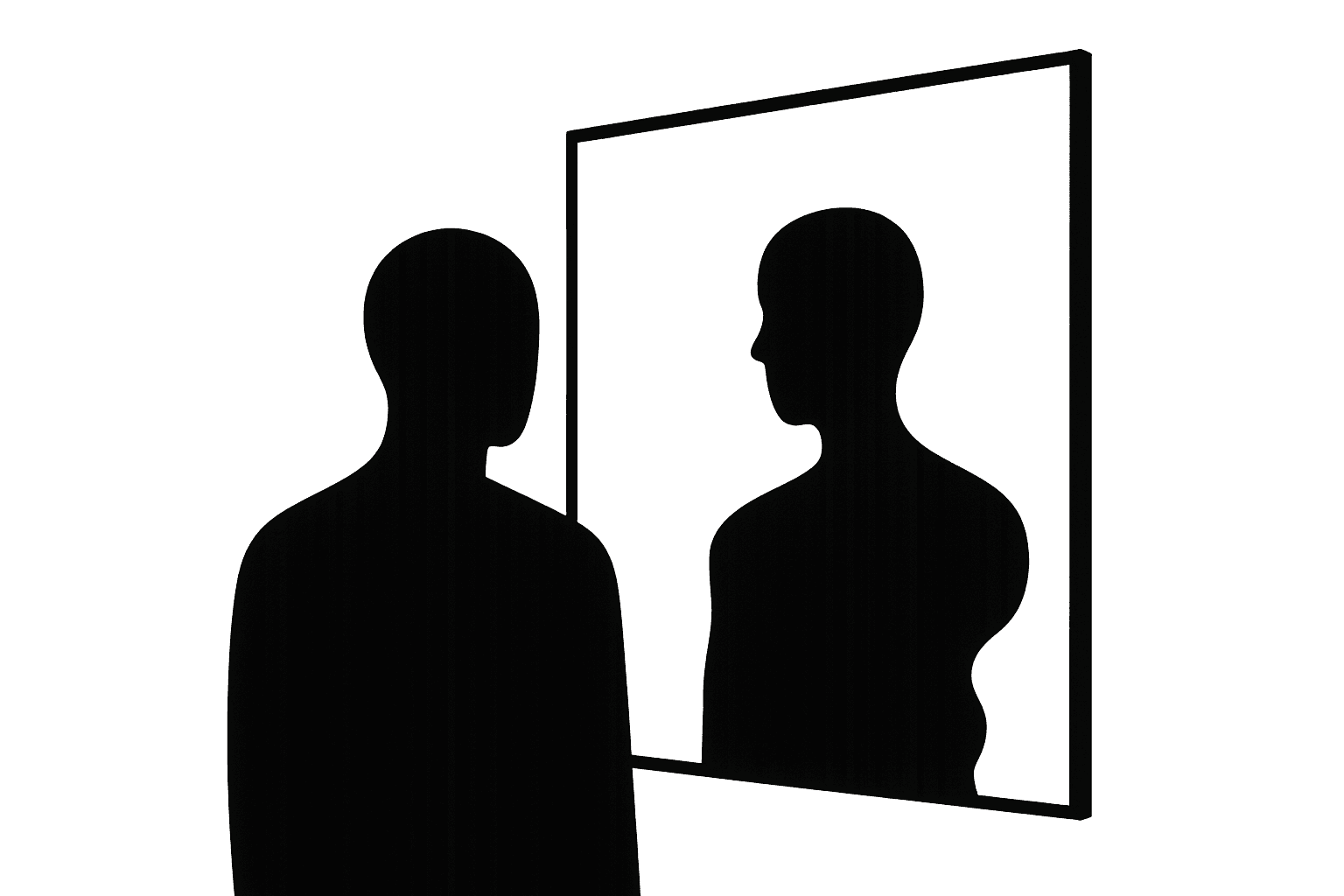
Social media has turned life into a performance. Instead of enjoying the present, we’re curating moments for likes and validation. This shift impacts how we see ourselves, creating a gap between who we are and the polished version we present online. Constant comparison, exhaustion, and stress follow, leaving many feeling disconnected.
To break free, focus on private, unfiltered experiences. Journaling - especially with tools like Pausa - offers a way to reflect without judgment. Simple habits like limiting screen time, creating phone-free spaces, and prioritizing real connections can help you reclaim joy in everyday moments. By choosing personal values over external approval, you can reconnect with what truly matters: living for yourself, not an audience.
How Constant Content Creation Changes Your Self-Perception
Living for the Camera Instead of the Moment
When your priority becomes capturing the perfect photo or video, you might find yourself missing out on the actual experience. Whether it’s your child’s birthday party or a long-awaited vacation, the focus shifts from being present to documenting the occasion. Instead of soaking in the moment - feeling the sun on your skin or savoring the flavors of a meal - you’re busy tweaking captions or adjusting lighting. Life, in a sense, becomes something you observe through a screen rather than truly live.
The Gap Between Your Curated Self and Your Real Self
Social media often pushes us to showcase only the best parts of our lives - a polished highlight reel where everything looks flawless and carefree [1]. By sharing achievements and skipping over struggles, this curated image creates a divide between your authentic self and the version you present online. Over time, this disconnect can lead to feelings of frustration, self-doubt, or even a sense of losing touch with who you really are [1].
The Mental Cost of Comparison and Exhaustion
Endlessly scrolling through carefully edited snapshots of others’ lives can spark constant comparisons. These idealized portrayals often stir feelings of inadequacy, chipping away at self-esteem [3]. Watching others’ seemingly perfect lives can also intensify feelings of burnout and leave you questioning if you’re ever doing enough.
Next, explore how AI-assisted journaling can help you reclaim privacy and reconnect with your authentic self.
Why Your Brain Needs Genuine Experiences
How Private Stories Shape Your Identity
Your internal narrative plays a huge role in shaping who you are. When you take time to reflect on an experience privately - without thinking about how it might come across to others - you’re able to process what it truly means to you. This kind of reflection helps you understand your values, reactions, and how you’ve grown. On the flip side, when you perform or curate your life for an audience, the experience often shifts to meet external expectations. Staying true to yourself is key to personal growth because it keeps your actions aligned with your core beliefs and values [7][8][9][10]. Living authentically doesn’t just feel good - it also helps reduce stress. It lowers cortisol levels, calms the amygdala (the brain’s stress center), and activates the reward system, releasing feel-good chemicals like dopamine and serotonin [6].
Why Divided Attention Prevents Emotional Processing
When your attention is split between experiencing a moment and documenting it, you can’t fully process what’s happening. This lack of focus drains your mental energy, leaving you feeling exhausted, frustrated, or even anxious. It can also lower your self-esteem over time [6][9]. Constantly keeping up appearances or managing a facade adds to this stress, contributing to issues like "media saturation overload" and "headline anxiety" [4]. Emotional experiences need your full attention to be properly integrated into your memory and sense of self. Without that focus, even seemingly perfect moments can feel hollow or disconnected.
The Problem with Living for Shareable Moments
Filtering your life through the question, “Is this worth posting?” can rob you of genuine joy. Excessive social media use has been linked to anxiety, depression, insomnia, stress, and even a drop in overall happiness [11]. While getting likes might give you a quick dopamine boost, that feeling fades fast and can leave you questioning your self-worth [5]. What’s worse, meaningful experiences may start to feel disappointing simply because they don’t translate well on a screen. This cycle can create unrealistic expectations for what your life "should" look like, even though it’s the ordinary, unfiltered moments that often carry the most meaning.
The Hidden Cost of Being an Influencer | @UnjadedJade on Burnout & The Authenticity Battle
Using AI-Assisted Journaling to Reconnect with Yourself
Rediscovering who you are starts with looking inward - and AI-assisted journaling can guide you on that journey.
Why Private Journaling Matters in a Performance-Driven World
Private journaling offers a space where you can drop the filters and just be real. Unlike the curated content we often share online, this kind of writing encourages you to express your unpolished thoughts and feelings without fear of judgment. It’s about putting your emotions on the page, messy and all, to help you process stress, gain clarity, and figure out what truly matters to you. By stepping away from the polished version of yourself you show the world, journaling lets you reconnect with the person you are at your core.
How Pausa Helps You Reflect Without Overthinking
Pausa makes journaling simple and accessible. With just 20 seconds, you can jot down your thoughts - whether through text or voice - and let the AI organize them into clear summaries and actionable steps. Prefer email or WhatsApp? No problem, Pausa works with those too. It also provides daily, weekly, monthly, and yearly recaps, giving you a chance to spot patterns and track your personal growth over time. Because everything is private, you can be completely honest, free from the worry of others' opinions.
Building a Journaling Habit That Sticks
Start small. Take 20 seconds each day to check in with yourself - no need for lengthy paragraphs. Choose a consistent time, like after your morning coffee, to make it part of your routine. As you review your weekly recaps, you’ll start noticing recurring themes and insights. Miss a day? No big deal - just pick it back up. The goal is to create a regular practice that helps you step away from the pressures of online performance and reconnect with your authentic self.
Other Ways to Reduce Content Pressure
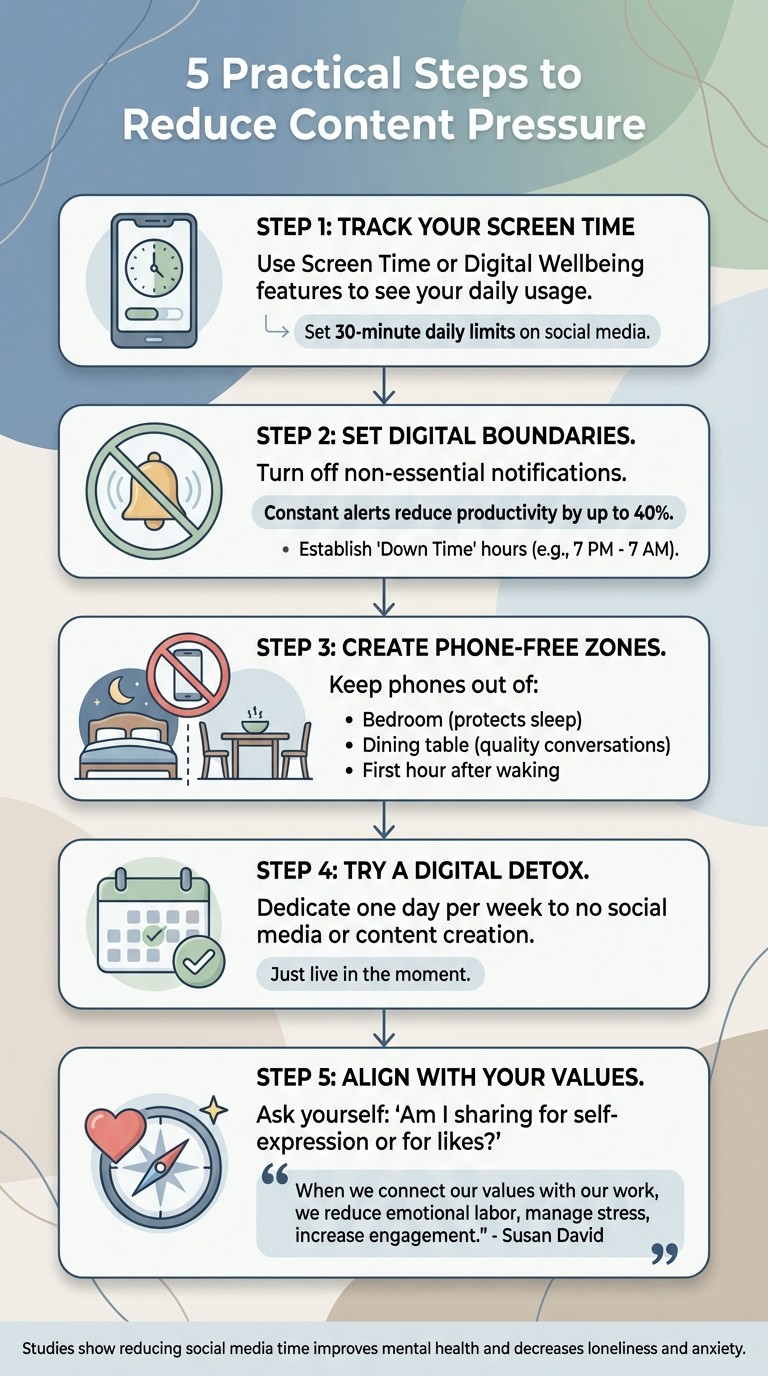
5 Practical Steps to Reduce Content Pressure and Reclaim Authentic Living
When it comes to managing content overload, there are practical steps you can take to create breathing room in your digital life.
Setting Clear Digital Limits
Ever wonder how much time you actually spend scrolling? Your phone knows. Check features like Screen Time or Digital Wellbeing to see your daily usage. Once you have the data, set app timers - try limiting social media to just 30 minutes a day. Research indicates that teens who made this adjustment saw noticeable improvements in their overall well-being [12].
Establish "Down Time" hours, such as 7:00 PM to 7:00 AM, to limit app access during those periods. Also, turn off non-essential notifications. Constant alerts from emails and messages can reduce productivity by up to 40% [12], making it harder to stay focused on what truly matters.
Designating Phone-Free Spaces and Times
Create boundaries where your phone is simply off-limits. For example, keep your bedroom a phone-free zone to safeguard your sleep [12]. Similarly, ban phones from the dining table to bring back quality conversations during meals. When spending time with loved ones, try leaving your phone in another room or placing it face-down to stay fully present.
Another idea? Start your day without your phone. Use the first hour after waking up to focus on yourself instead of diving into notifications. You might also dedicate one day a week to a full digital detox - no social media, no content creation, just living in the moment.
Choosing Personal Values Over External Approval
Ask yourself this: "Am I sharing this for self-expression or for likes?" When your actions align with your personal values instead of seeking external validation, you may feel more confident and content [14]. This doesn’t mean abandoning social media altogether - it’s about prioritizing what matters to you.
"When we connect our values with our work, we accomplish three key benefits. We: reduce emotional labor, manage stress, increase engagement."
– Susan David [13]
Take time to define your core values - whether it’s creativity, connection, adventure, or peace - and measure your digital habits against them. For instance, if you value meaningful relationships but spend hours scrolling, it might be time to reassess. Refocusing on what truly aligns with your values can make it easier to resist the constant pull of content culture.
Conclusion
As we've explored, constantly curating your life for an audience can warp your sense of self. The more you shape your online persona to meet expectations, the more it diverges from who you truly are - leading to anxiety, exhaustion, and a growing sense of disconnection from your own life.
But stepping back doesn't mean disconnecting entirely. You can reclaim your sense of self while staying digitally connected. One effective way to do this is through private journaling. Unlike social media posts, journaling allows you to express your unfiltered thoughts without worrying about how they'll be received. It’s a space for raw reflection, helping you process emotions and gain clarity without the weight of external validation.
Pairing journaling with intentional digital boundaries can further enhance this shift. Simple practices - like setting app time limits, creating phone-free spaces, or starting your morning offline - can make a noticeable difference. Research supports this: reducing time spent on social media has been linked to better mental health and decreased feelings of loneliness and anxiety [2]. When you prioritize authentic self-expression over chasing approval, studies show you're more likely to feel happier and more fulfilled [15][3].
Ultimately, it’s about embracing moments for yourself rather than moments meant for sharing. Choosing your personal truth over likes and comments allows you to rediscover the joy of living privately and authentically.
FAQs
How can I use social media without losing touch with real life?
To find harmony between social media use and living authentically, begin by establishing firm boundaries - this could mean setting daily screen time limits or designating certain areas of your home as device-free zones. Instead of getting caught up in trends or striving for perfection, aim to share content that genuinely reflects who you are. Make it a habit to take digital breaks, giving yourself space to focus on real-life experiences and strengthen your offline relationships. Incorporating mindfulness into your routine and dedicating time to activities that truly bring you happiness can also help you stay connected to the world around you.
Why is private journaling better for your well-being than posting on social media?
Private journaling offers a unique way to connect with your inner thoughts and emotions, free from the filters of social media. While platforms like Instagram or Facebook often encourage curated posts aimed at gaining likes or validation, journaling is entirely personal. It’s a space where you can express yourself honestly, without worrying about judgment or external opinions.
This simple yet powerful habit can help ease anxiety and quiet self-doubt. By giving yourself a judgment-free zone to reflect, you create an opportunity to sort through your feelings and gain perspective. Journaling also promotes mindfulness, allowing you to focus on what’s truly important in your life instead of chasing external approval. Over time, this practice can lead to a deeper understanding of yourself and contribute to better mental health overall.
How can focusing on your personal values improve your mental health?
Concentrating on your personal values can have a powerful impact on mental health by keeping you grounded in your true self. When your actions reflect what you genuinely believe in, it creates a sense of being true to yourself. This can lead to higher self-esteem, a stronger connection to others, and an improved ability to handle emotional ups and downs.
Focusing on what genuinely matters to you can also deepen your relationships and bring more satisfaction to your life. Staying aligned with your values helps you approach challenges with a clear mind and a confident outlook, ultimately supporting your overall well-being.