
Are You Consuming Life or Just Content?
Nov 25, 2025
Break free from mindless scrolling and reconnect with your values through intentional living and daily reflection.
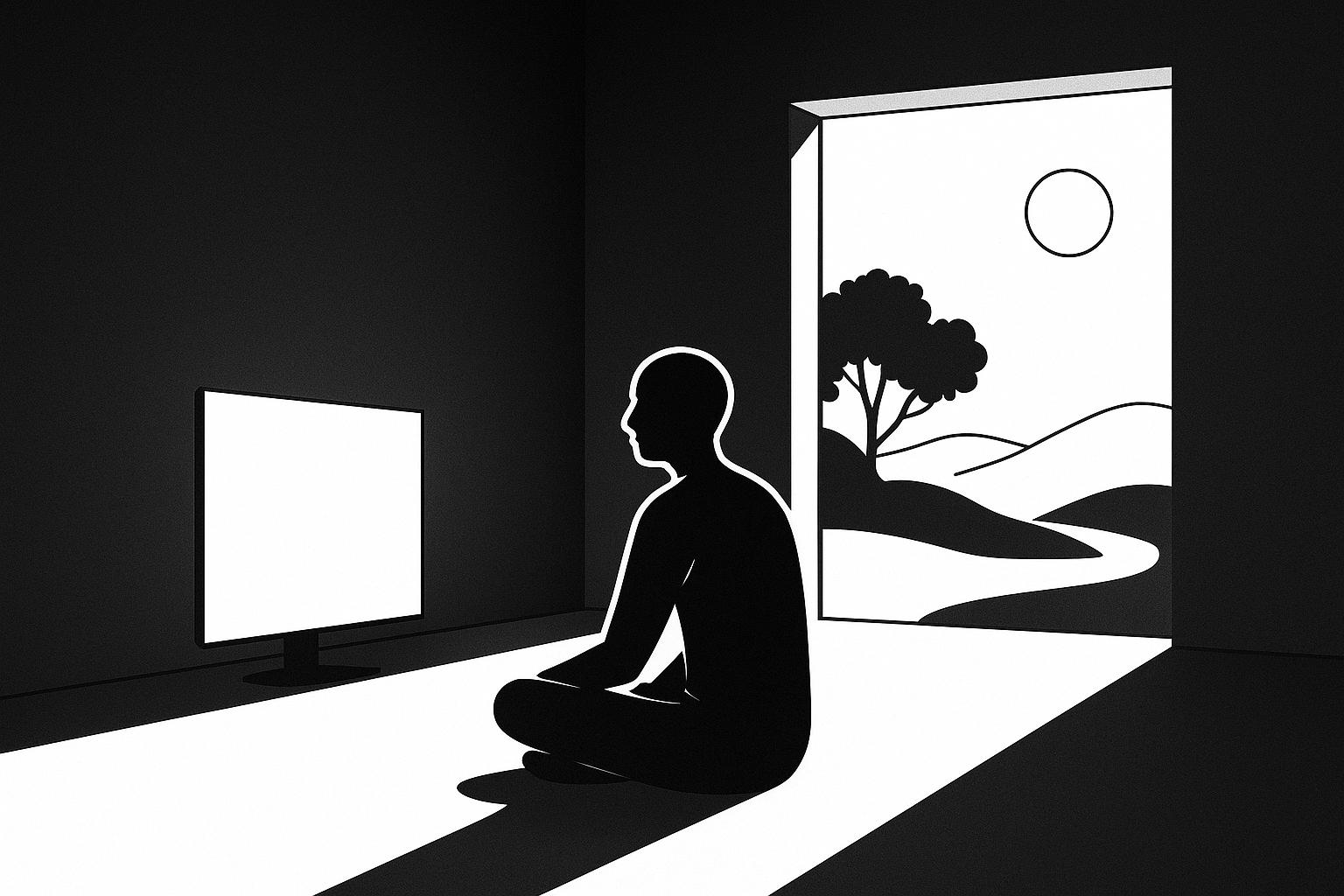
You might be living on autopilot without realizing it. If your day starts and ends with a phone in hand, scrolling through endless feeds, you’re not alone. Many people spend hours passively consuming content, losing time, focus, and connection with what truly matters. This habit doesn’t just waste time - it impacts your mental and emotional well-being, leaving you overstimulated yet unfulfilled.
Here’s the truth: mindless scrolling distracts you from living your own life. Instead of reflecting, growing, or creating meaningful memories, your attention is consumed by curated snapshots of others’ lives. But it doesn’t have to stay this way.
Key Takeaways:
The Problem: Endless scrolling wastes time, reduces focus, and creates feelings of inadequacy.
The Impact: You lose connection with your values, goals, and inner thoughts.
The Solution: Small, intentional changes - like daily reflection and mindful habits - can help you regain control.
Tools to Help: AI-powered journaling apps like Pausa can guide self-reflection and track progress.
Your choice matters. Start with just 5–10 minutes of reflection daily to shift from passive scrolling to purposeful living. Small steps today can lead to a more intentional, fulfilling life.
How I escape the overstimulation trap | Digital detox | Slow living | Intentional Living
The Problem: How Digital Scrolling Takes Over Your Life
In today's world, digital scrolling has quietly become a central part of daily life in America. What began as a simple way to stay connected has morphed into a habit that often operates without conscious awareness.
What Does Mindless Scrolling Look Like?
Picture this: you sit down for a quick coffee break and instinctively grab your phone. Your thumb starts swiping through your feed. What was supposed to be a five-minute distraction turns into fifteen, then thirty. You’re not looking for anything specific - you’re just scrolling.
This behavior has become so automatic that most of us don’t even notice it happening. You might find yourself reaching for your phone during commercial breaks, in line at the grocery store, or even mid-conversation when there’s a pause. It’s as if your phone has become an extension of your nervous system, ready to fill any moment of stillness or uncertainty.
And here’s the kicker - the content itself often doesn’t matter. You might watch a cooking video even though you don’t cook, skim headlines about topics you’re indifferent to, or scroll through clips from shows you’ve never watched. The algorithm’s goal isn’t to enrich your life - it’s to keep you glued to the screen. And it works.
This endless scrolling leaves you feeling overstimulated but strangely empty. Your brain is bombarded with fragmented bits of information that don’t lead to meaningful engagement. You’re busy, but not in a way that leaves you fulfilled. Over time, this habit doesn’t just waste hours - it drains your mental and emotional energy.
How Endless Scrolling Hurts Your Well-Being
The impact of mindless scrolling goes beyond just lost time. It chips away at your ability to focus and affects your emotional well-being. When your attention is constantly split between countless pieces of content, focusing on one task becomes harder. Your brain starts craving constant stimulation, making quiet moments feel uncomfortable or even boring.
It also takes a toll on your emotions. Social media, in particular, is a breeding ground for comparison. You might see a friend’s vacation photos while you’re stuck at work, read about someone’s career milestone while you’re struggling professionally, or scroll through pictures of seemingly perfect relationships while dealing with your own challenges. Even if you know social media is just a highlight reel, it’s hard to avoid feelings of inadequacy.
There’s another downside: your relationship with your own thoughts changes. Instead of letting your mind wander, reflect, or come up with creative ideas during downtime, every spare moment is filled with external content. The mental space you need for self-reflection, problem-solving, or simply processing your day gets crowded out by an endless stream of other people’s thoughts and experiences.
This constant engagement with digital content also disrupts your sleep, thanks to blue light exposure, and leaves little room for genuine self-reflection. Many people check their phones within minutes of waking up and just before falling asleep, starting and ending their days with digital consumption instead of intentional thought.
While scrolling might make you feel informed and connected, it’s often an illusion. You’re consuming prepackaged information and experiencing secondhand social interactions. Real learning happens when you deeply engage with ideas, and true connection requires being present and vulnerable - neither of which happens through passive scrolling.
Over time, this habit distances you from your own life. Instead of forming your own opinions through reflection or discussion, you absorb the viewpoints of others. Instead of creating memories through direct experiences, you consume snapshots of someone else’s. Your sense of self - your values, interests, and goals - can get buried under layers of external noise, making it harder to distinguish between what you truly want and what you’ve been conditioned to desire.
What You Lose When You Live on Autopilot
Building on the idea that endless scrolling erodes your focus, living on autopilot takes an even greater toll. It strips away essential aspects of your personal development, relationships, and overall sense of fulfillment.
Time and Missed Opportunities
Living on digital autopilot doesn’t just distract - it quietly consumes your most valuable resource: time. Hours spent mindlessly scrolling through feeds are hours you could have used to grow, connect, or simply enjoy the present moment. Think about the fleeting but meaningful moments you might miss - a shared laugh with a loved one, a chance encounter, or the opportunity to work toward a goal you’ve been dreaming about. These small, spontaneous experiences are what give life its richness and depth.
But the cost of autopilot living isn’t just about time. It also alters how you connect with yourself.
Losing Touch with What Matters to You
Perhaps the most profound loss from living on autopilot is the erosion of your connection to your own values, goals, and desires. When your attention is constantly pulled toward external content, your inner voice - the one that guides your decisions and reflects your true self - gets drowned out. Instead of shaping your perspective through personal reflection and real-life experiences, you might find yourself swayed by trends, opinions, or the endless chase for likes and validation.
Over time, this disconnect can blur your sense of purpose. Goals may no longer reflect what truly fulfills you but instead cater to external approval. Your self-worth may hinge on fleeting digital metrics rather than meaningful accomplishments or personal growth. Without taking time to reflect, you risk losing sight of recurring patterns in your life - patterns that could guide you toward what genuinely matters.
The Solution: How to Live with Purpose
Breaking free from the autopilot lifestyle doesn’t demand a massive overhaul. Instead, it starts with small, deliberate steps to regain control of your attention. The secret lies in transitioning from passively consuming digital content to actively reflecting on your habits and choices. When you take the time to understand your motivations and goals, you naturally start aligning your actions with what truly matters. This clarity becomes the foundation for building meaningful daily habits.
Why Daily Reflection Matters
Daily reflection works like a mental reset, giving you the space to step away from the constant buzz of digital distractions and reconnect with what’s important. By pausing to evaluate your choices, emotions, and priorities, you can uncover patterns - like why you instinctively grab your phone, what triggers endless scrolling, and which activities genuinely add value to your life.
For instance, before diving into social media, set a clear intention. Are you logging in to stay informed, connect with friends, or find inspiration? Approaching these platforms with a purpose helps you avoid mindless scrolling. Instead of opening an app out of habit, you’ll start each session with a goal, which keeps you focused and in control.
This reflective practice also helps you decide what’s worth your attention. Take a moment each day to question how you’re spending your time. Compare your app usage to your core values. This simple exercise often highlights a gap between how you currently spend your time and what you genuinely care about.
How AI Journaling Can Deepen Self-Understanding
Journaling has always been a powerful way to reflect, and AI-powered journaling tools take it a step further by helping you uncover patterns and insights you might overlook. Tools like Pausa allow you to jot down your thoughts or record voice notes in as little as 20 seconds.
Once you’ve captured your day, the AI analyzes your input, identifies recurring themes, and even suggests actionable steps. For example, you might notice that mornings spent scrolling social media leave you feeling anxious, while your most productive days often include a brisk walk or meaningful conversations. These observations help you design your days with intention, focusing on activities that energize and fulfill you.
AI journaling also provides regular check-ins - daily, weekly, monthly, and yearly recaps - that give you a broader view of how your habits are shaping your life. Seeing this progress over time offers concrete proof of how your choices impact your well-being, relationships, and personal goals.
What’s more, this approach fits seamlessly into your routine. Whether you prefer typing quick notes during your commute, recording voice memos while walking, or even sending reflections through email or messaging apps, the technology adapts to your lifestyle without demanding a complete overhaul. Armed with these insights, you’ll be better equipped to make small, intentional changes that lead to a more purposeful life.
Simple Steps to Start Living with Purpose
Moving from endless scrolling to a more intentional way of living doesn’t require a massive overhaul. Instead, it’s about making small, consistent changes that help you redirect your time and energy toward things that truly matter. Establishing routines can naturally pull you away from digital distractions and guide you toward more meaningful activities.
Start and End Your Day with Reflection
How you begin and close your day can set the tone for everything in between. For instance, cortisol levels peak about 30 minutes after waking. Instead of reaching for your phone first thing in the morning, try spending 5–10 minutes reflecting on your thoughts or goals for the day [1].
Jotting down your priorities or intentions can give your day a clear and purposeful start, helping you avoid the mental clutter that comes with notifications and social media.
Evenings are just as important. Rather than ending your day by scrolling through endless feeds, carve out some time to reflect on the day’s experiences. This simple practice can improve your mood, help you sleep better, and set a positive tone for the next day [2][5]. Over time, these moments of reflection can become habits that naturally reduce mindless screen time [1].
As you build this practice, you can also explore tools that deepen your self-awareness and personal growth.
Use AI Tools to Guide Your Growth
Once you’ve established a routine of reflection, tools like AI-powered journaling apps can take your practice to the next level. For example, platforms like Pausa allow you to quickly record your thoughts - whether through text or voice - and then provide insightful recaps on a daily, weekly, or even yearly basis. These tools can also suggest actionable steps based on your entries, helping you connect your reflections to meaningful progress.
Imagine discovering that your most productive days consistently follow a specific morning routine. AI tools can track these patterns and even link your daily habits to long-term goals, offering a clearer picture of how your behaviors impact your emotional and mental well-being.
What’s great about these tools is their flexibility. Whether you’re typing out quick notes during a commute or recording voice memos while on the move, they make it easy to keep up with your journaling practice, no matter how busy life gets.
Build Better Habits Through Regular Check-ins
Regular check-ins are a natural extension of your reflection practice. They help you strengthen positive habits while gradually phasing out those that don’t serve you. By consistently evaluating how different activities affect your mood, energy, and sense of purpose, you can make more mindful choices throughout your day.
Even small adjustments to your routines can lead to noticeable improvements in your overall well-being [3]. These check-ins allow you to spot patterns and fine-tune your behaviors, ensuring that your daily activities align with your goals and energize you in meaningful ways.
Taking just a few minutes for yourself each day can significantly reduce stress and improve focus [4]. This clarity serves as a strong shield against the pull of mindless digital distractions, helping you stay grounded and intentional in your choices.
Conclusion: Choose Real Life Over Digital Distractions
Every time you reach for your phone, you're making a choice: engage with the world around you or dive into someone else's curated reality. These seemingly small decisions don’t just shape your day - they influence your overall sense of purpose and well-being.
Breaking free from the pull of endless scrolling doesn’t require a complete life overhaul. It starts with small, deliberate changes. Taking just 5–10 minutes a day to reflect can create a buffer against digital distractions, gradually shifting your focus from passive consumption to active living.
Tools like Pausa make this process easier. With just 20 seconds of text or voice input, you can turn fleeting thoughts into meaningful reflections. Whether it’s through an app, email, or messaging, these tools help you transform scattered moments into clear, actionable insights.
By consistently checking in with yourself, you’ll begin to notice patterns in your daily, weekly, and even yearly growth. This isn’t about striving for perfection or adopting complex systems - it’s about choosing mindfulness over autopilot. Each time you pause to reflect instead of scrolling, you’re investing in a more present and intentional version of yourself.
The real question isn’t whether you have time to reflect - it’s whether you can afford not to. Prioritizing real experiences over digital distractions today lays the foundation for a more meaningful and fulfilling tomorrow.
FAQs
How can I tell if I’m stuck in autopilot and mindlessly consuming content?
To figure out if you're living on autopilot and consuming content without much thought, consider this: Does the content you engage with leave you feeling energized, inspired, or more aware of yourself? Or does it just serve as a distraction or drain your energy? Take note of how often you find yourself scrolling aimlessly or absorbing information that doesn’t bring any real value to your life.
It’s also worth thinking about whether your daily habits align with intentional living. Are you making time for meaningful activities like connecting with loved ones, exploring hobbies, or practicing mindfulness? Or are those moments being replaced by passive consumption? Being aware of how you spend your time is a crucial first step in building a more purposeful and satisfying routine.
How can I spend less time on screens and be more present in my daily life?
Creating screen-free zones in your home is a great first step toward cutting down on screen time and connecting more with the world around you. Areas like the bedroom or dining room are perfect for this. You can also set a daily "unplug" time, like turning off devices an hour before bed. Instead of scrolling, try activities that bring value to your day - read a book, write in a journal, or spend time with family or friends.
Tracking your screen usage can also help. Set achievable goals to reduce it gradually, and use features like grayscale mode or notification limits to make your devices less tempting. The key is to be thoughtful about how you use the extra time. Try mindfulness exercises, dive into a hobby, or just take a moment to appreciate what’s happening around you.
How can AI-powered journaling tools like Pausa help you reflect better and stay focused?
AI-powered journaling tools, such as Pausa, bring a new level of ease and focus to self-reflection by offering personalized prompts and insights that align with your thoughts and goals. These features encourage you to dig deeper into your emotions, spot recurring patterns, and pinpoint areas where you can grow in your everyday life.
With tools like guided prompts and a clean, distraction-free interface, Pausa also helps curb the habit of aimless scrolling through digital content. Instead, it steers your attention toward more meaningful activities, helping you develop a habit of mindful living and making your time feel more intentional.