
We’re Consuming Content We Don’t Even Like Anymore
Dec 17, 2025
Platforms favor engagement over value. Track habits, use AI journaling, and set digital boundaries to stop mindless scrolling and consume content that matters.
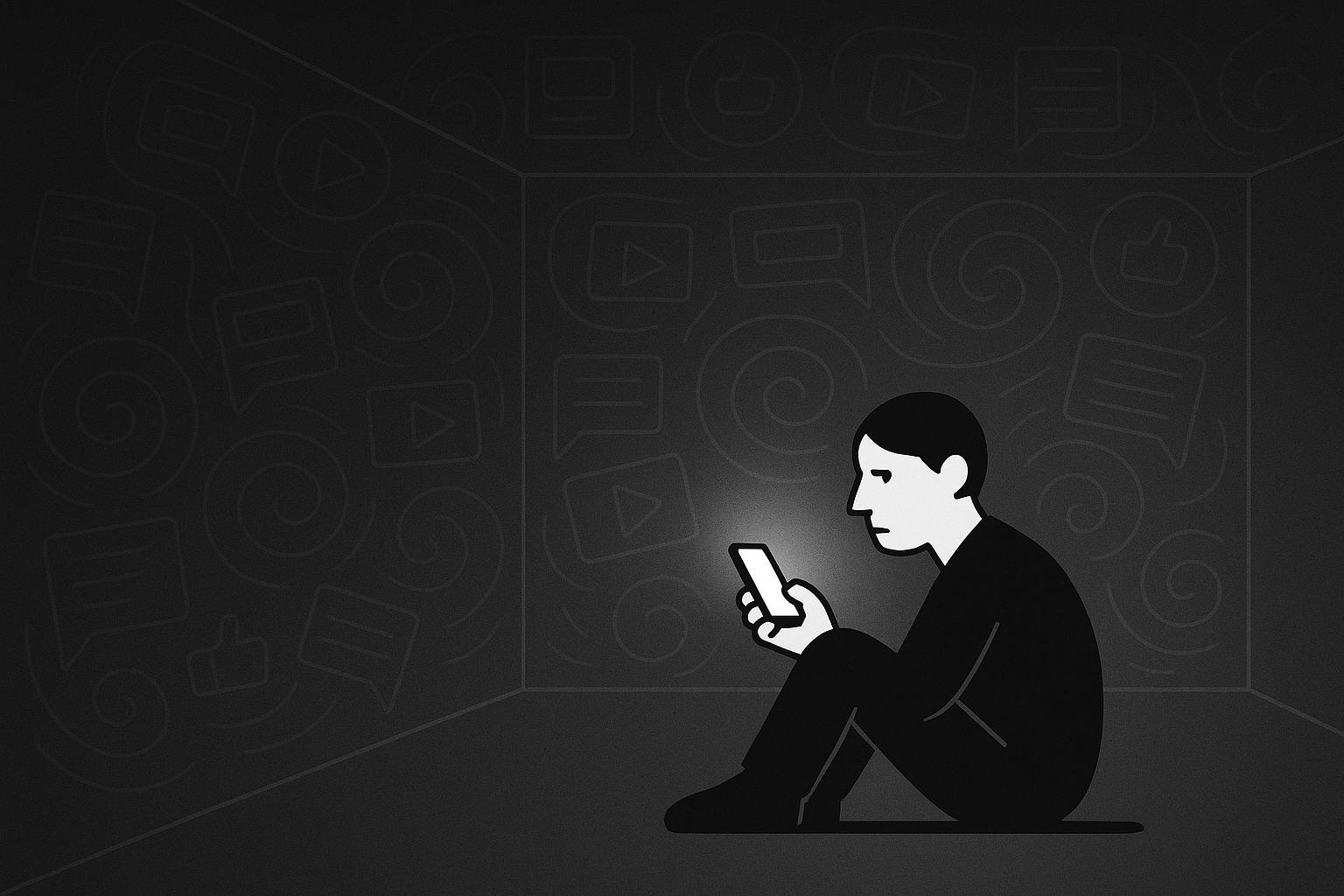
You spend hours scrolling through content that you don’t even enjoy. Why? Social media platforms are designed to keep you hooked, prioritizing engagement over your satisfaction. Algorithms push attention-grabbing, polarizing posts that trigger dopamine hits, trapping you in a cycle of mindless consumption. This habit leaves you mentally drained, shortens attention spans, and contributes to stress, anxiety, and low self-esteem.
Here’s what you can do to take control:
Track your habits: Notice when and why you scroll. Reflect on how it makes you feel.
Use tools like AI journaling: Identify patterns and get suggestions for meaningful content.
Set boundaries: Schedule screen-free times, use app limits, and take regular digital breaks.
Be intentional: Follow accounts that align with your goals and avoid doomscrolling.
Breaking free starts with awareness. By taking small steps, you can shift from passive scrolling to consuming content that adds value to your life.
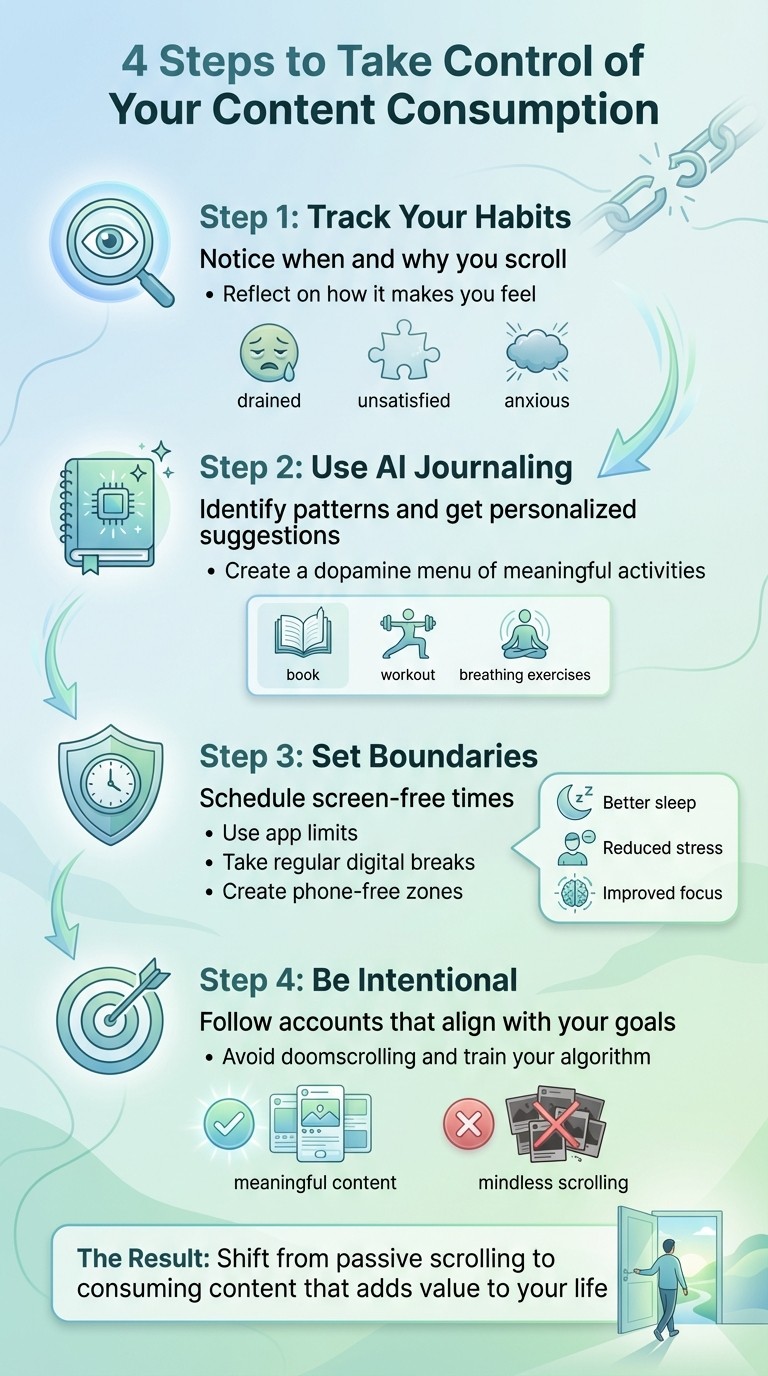
4-Step Guide to Breaking Free from Mindless Content Consumption
How Algorithms Keep You Trapped
Engagement vs. What You Actually Want
Social media algorithms aren't here to give you what you truly need - they're built to keep you clicking. Their job is to filter and rank content in ways that maximize your engagement, not necessarily your well-being or goals [6]. These systems don’t evaluate whether a post enriches your life or aligns with your values. Instead, they zero in on interactions like likes, shares, comments, and replays.
Why? Because engagement drives the platform’s core objectives: keeping you on the app longer and generating ad revenue [7]. This creates a gap between what the algorithm prioritizes and what might genuinely benefit you. For example, while you might be searching for inspiration or meaningful insights, the system is busy serving up content designed to hold your attention - often by exploiting your impulses. This focus on engagement feeds into a dopamine-driven loop, keeping you endlessly scrolling.
The Dopamine Loop That Keeps You Hooked
Ever wonder why it’s so hard to put your phone down? It all comes back to dopamine, the brain’s “feel-good” chemical. Every interaction - whether it’s a like, a comment, or a share - triggers a little dopamine release [1]. This creates a "variable reward" system, much like a slot machine [3]. You’re never sure when the next satisfying interaction will happen, so you keep scrolling, hoping for that next hit.
Platforms are carefully designed to keep you in this loop. Everything, from the placement of buttons to the length of videos, is tailored to hold your attention and make you lose track of time [1]. Algorithms often push sensational or attention-grabbing content to the top of your feed, and the constant flow of updates taps into your Fear of Missing Out. This combination keeps you coming back, even when the content isn’t adding much value to your life.
At the end of the day, these systems prioritize keeping you engaged - and boosting revenue - over your well-being. Recognizing how these mechanics work is the first step toward breaking free and consuming content more intentionally [8].
How to Take Back Your Attention
Track What You're Actually Consuming
Start by observing your scrolling habits. Pay attention to those moments when you lose track of time or endlessly bounce between apps [9]. These are clear signs of mindless consumption.
Ask yourself how you feel after consuming content. Do you spend an hour scrolling only to feel unsatisfied or drained? These feelings can take a toll on your mental health, strain your relationships, and impact your productivity [9][10]. The point here isn’t to criticize yourself but to recognize these habits. Once you spot the patterns, you can start making intentional changes that prioritize content that brings you value.
Use AI Journaling to Choose Better Content
After identifying your habits, AI journaling can be a great tool to help you create a more thoughtful content routine. One popular AI journaling method uses templates designed to break the cycle of mindless scrolling. You simply input details about your routines and triggers, and the AI generates personalized suggestions - like alternative content, tailored daily schedules, and even a "dopamine menu" filled with activities aligned with your interests [9].
This method shifts your focus from automatic scrolling to activities that genuinely engage you. For instance, instead of mindlessly scrolling out of boredom, you could turn to your personalized "dopamine menu." This could include quick, satisfying activities like a five-minute workout or deep breathing exercises, as well as more fulfilling options like setting reading goals or learning new skills [9]. A tool like Pausa’s AI journaling works similarly - it tracks your content reactions and provides insights to help you build a content routine based on what truly resonates with you, rather than what algorithms dictate. Once your content habits align with your personal needs, the next step is to establish firm boundaries.
Set Boundaries and Take Digital Breaks
Creating boundaries with your devices is key to a digital detox [11][12][13]. Start small - schedule specific times to avoid social media or designate areas in your home as phone-free zones. You can also use your phone’s built-in screen time features to set app usage limits that are hard to ignore.
The rewards for these efforts are well worth it. Taking digital breaks can ease mental fatigue, improve sleep quality, reduce comparison-driven stress, and help you feel more emotionally balanced [12]. Over time, you might notice lower stress levels, sharper focus, stronger relationships, and more time for hobbies you love. You may even see benefits to your physical health [14][15]. These small but consistent steps can help you break free from autopilot scrolling and build a more mindful, intentional relationship with your devices. The key is sticking with it - short, regular breaks often have a bigger impact than occasional, extreme detoxes.
Using AI to Find Content That Matters
How Pausa Helps You Reflect on Content
AI tools are no longer just about finding content - they're about helping you make sense of it. As Alex Gault explains, "AI doesn't just find content - it helps understand it" [17]. This shift encourages active engagement with digital content rather than passive consumption.
Pausa takes this idea further by capturing your thoughts - whether through text or voice - and creating regular summaries that highlight your consumption patterns and emotional responses. It doesn’t stop there. The tool suggests actions and tracks your goals, ensuring your content habits stay aligned with what genuinely interests you.
What makes AI like Pausa so powerful is its ability to sift through massive amounts of data to uncover patterns you might not notice yourself. Instead of feeding you endless content designed to keep you scrolling, Pausa helps you identify what truly resonates with you. This turns content curation into a thoughtful, intentional process, offering a chance to reset and refocus.
Interrupt Autopilot Scrolling with Brief Reflection
Mindless scrolling can take a toll - not just on your time but on your mental well-being. Research shows it increases stress and chips away at your attention span [16]. Breaking this cycle can be as simple as pausing for 20 seconds to reflect.
A quick journaling session about what you've consumed can create a meaningful pause. This small act helps you reset your focus and make more deliberate choices about what you engage with. In just moments, you can realign your digital habits with your personal values, turning your feed into a space that works for you, not against you.
Building a Better Relationship with Content
What to Remember
Breaking the cycle of endless scrolling starts with one key step: awareness. Being aware of how you interact with digital content is the first step toward creating a healthier relationship with it [18][21]. Start by tracking your screen time and paying attention to how it makes you feel. Do you notice mental fog, fatigue, or anxiety creeping in? If you often feel regret after scrolling or find it harder to focus, take that as a clear signal to reassess [4][2][19].
Setting boundaries is just as important. Protect your energy and focus by limiting app access - move social media apps to harder-to-reach folders or delete them altogether if necessary [21][22]. Remember, the content you consume doesn’t just entertain; it influences your thoughts, emotions, and actions [18].
Be intentional about what you follow. Choose accounts that provide knowledge, motivation, or meaningful insights. Regularly review your subscriptions and unfollow creators who no longer resonate with you [23]. You can even train algorithms to serve your interests by engaging only with content that aligns with your goals [20].
By keeping these strategies in mind, you can shift from mindless scrolling to more purposeful interactions.
Moving Toward Intentional Consumption
Once you’ve built awareness and set boundaries, it’s time to actively reshape how you consume content. Before opening an app, take a moment to ask yourself why you’re using it. What’s your purpose? This simple step can help ensure your time online adds value to your day [20]. While scrolling, check in with yourself every 5 to 10 minutes. If you notice your mood taking a hit, it’s time to step away [20][5].
Replace passive scrolling with activities that genuinely enrich your life. To support this transition, consider tools designed to help you reflect on your habits. For example, Pausa allows you to jot down your thoughts in just 20 seconds, creating summaries that highlight your consumption patterns and keep you focused on what matters most. The goal is to engage with content that inspires, educates, or enhances your life - not content that simply fills time or leaves you feeling drained [20][23]. Take charge of your digital experience instead of letting algorithms decide what you see.
The Dopamine Trap - Why We Keep Scrolling & How to Stop | Michael Long
FAQs
How do social media algorithms shape the way I consume content?
Social media algorithms work behind the scenes to tailor your feed, aiming to boost engagement by showing you content that grabs your attention. While this might seem convenient, it often means prioritizing posts that keep you scrolling rather than those that truly match your interests or needs.
Over time, this can result in a feed filled with content that feels monotonous, irrelevant, or even unsatisfying. Since these algorithms learn from your past interactions, breaking the cycle requires a conscious effort. By being selective about what you engage with and actively curating your feed, you can shape it to better align with what genuinely matters to you.
How can I stop mindlessly scrolling through content?
Breaking the cycle of mindless scrolling starts with making deliberate adjustments to how you use your devices. Begin by setting clear time limits for certain apps or your overall screen time. Turning off non-essential notifications can also help minimize distractions and interruptions. Establish digital boundaries - for instance, keep your phone out of reach during meals or avoid using it right before bed.
Instead of scrolling, fill your time with activities that bring you more joy or purpose. Try picking up a new hobby, exercising, or simply spending meaningful moments with family and friends. Practicing mindfulness can also make a big difference by helping you stay aware of your habits and choices. By thoughtfully curating what you consume online and being intentional with your time, you can take back control of your focus and energy.
How can AI journaling help me develop better digital habits?
AI journaling can help cultivate healthier digital habits by encouraging self-awareness and helping you spot patterns in how you engage with technology. Reflecting on your daily tech interactions makes it easier to pinpoint what truly benefits your life and what might be draining your time or energy.
By encouraging mindful technology use, AI journaling can guide you toward setting boundaries, cutting back on endless scrolling, and focusing on content that supports your personal goals. Over time, this practice can foster a more balanced relationship with digital tools and boost your mental clarity.