
What “The Anxious Generation” Got Right About Our Kids (and Us)
Nov 29, 2025
How smartphones and social media fuel kids' anxiety—hurting sleep, attention and social skills—and practical, family-friendly steps to restore balance.
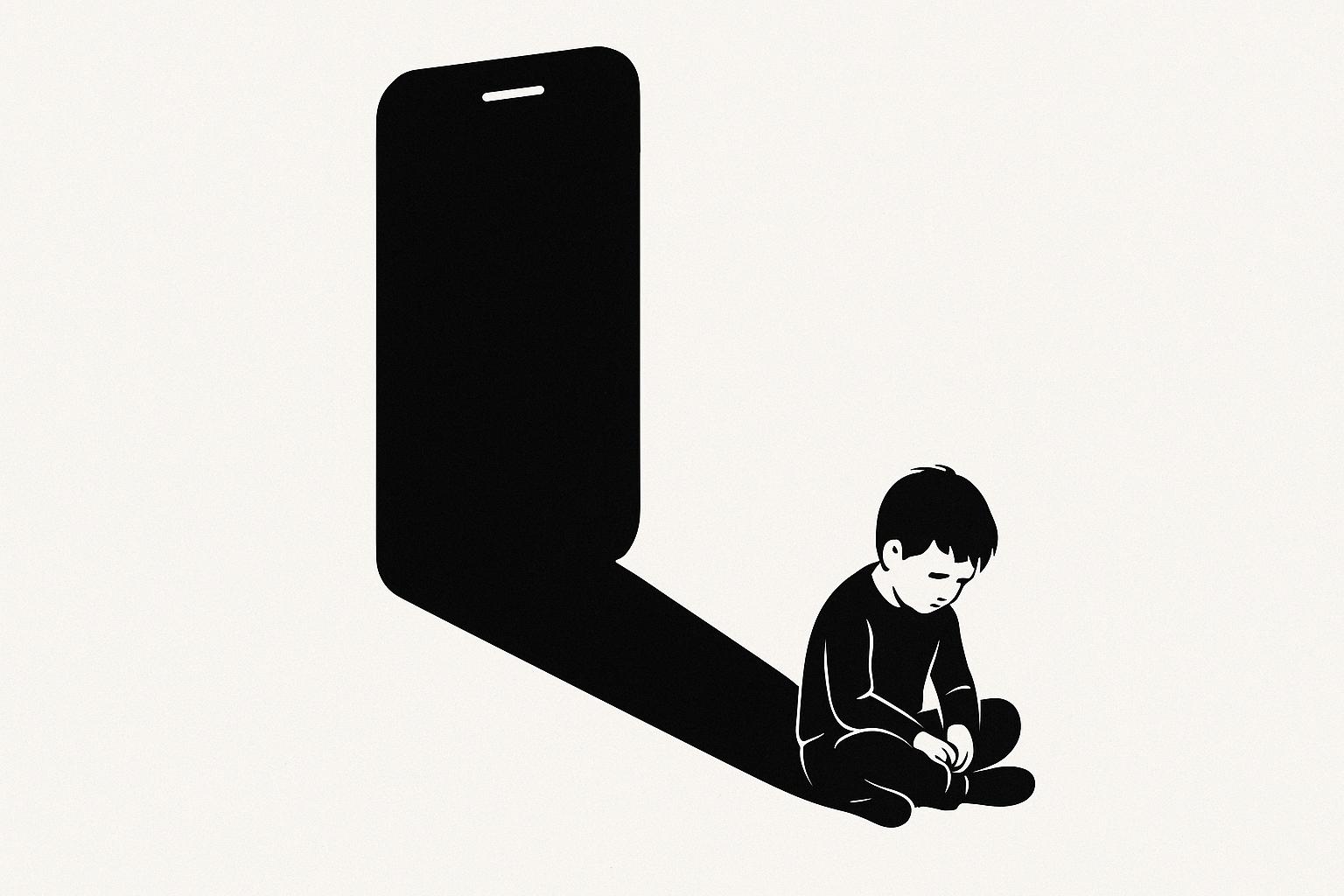
Kids today face rising mental health challenges, and much of it ties back to how technology has reshaped childhood. From social media to constant notifications, screens have replaced outdoor play and real-life connections. This shift impacts not just children but parents, too, as both struggle with attention, sleep, and emotional well-being.
Here are the key takeaways:
Social Skills Are Declining: Overuse of screens limits face-to-face interactions, making it harder for kids to build relationships and read social cues.
Sleep Suffers: Blue light and endless scrolling disrupt sleep, affecting emotional regulation and focus.
Attention Is Fragmented: Constant digital interruptions drain focus and make deep thinking harder.
Tech Dependency Grows: Both kids and adults are increasingly hooked on devices, reshaping family dynamics.
But there’s hope. Simple steps like setting phone-free zones, encouraging outdoor play, delaying smartphones for teens, and using tools like AI journaling can help families reconnect and build resilience. Technology isn’t the enemy - it’s about using it wisely to support mental health.
Are Smartphones Ruining Childhood? | Jonathan Haidt | TED
4 Core Challenges Identified by 'The Anxious Generation'
"The Anxious Generation" sheds light on four intertwined challenges that are shaping the emotional growth of children and reshaping family interactions in today’s tech-driven world. These hurdles often feed into one another, creating a cycle that can intensify anxiety and stress. Let’s break them down.
Social Deprivation and Its Impact
Humans are hardwired for face-to-face interaction, but excessive screen time is replacing opportunities for in-person connection. This shift limits children’s chances to pick up on social cues, resolve conflicts, and build meaningful relationships. For example, a child might have hundreds of online friends but struggle to maintain eye contact or start a conversation in real life. The issue isn’t limited to kids - when adults are glued to their phones, families can end up physically together but emotionally disconnected.
Sleep Deprivation in the Digital Age
Screens can wreak havoc on sleep. Blue light from devices disrupts melatonin production, making it harder to fall asleep. Add to that the addictive nature of social media, which keeps users scrolling far past bedtime, and you’ve got a recipe for sleep deprivation. Missing out on sleep doesn’t just leave kids and adults feeling groggy - it also disrupts brain functions tied to emotional regulation and decision-making. Teens, in particular, need 8–10 hours of sleep per night, but heavy screen use often cuts into that, leaving both teens and adults running on empty.
Attention Fragmentation and Mental Overload
Constant notifications and digital interruptions make it tough to focus on anything for long. Whether it’s juggling homework, work tasks, or social media, the constant switching between activities prevents deep engagement. This fragmented attention can leave the brain feeling drained and makes developing skills like sustained focus and critical thinking much harder. Over time, this mental overload erodes our ability to reflect deeply and stay present.
Technology Addiction and Its Consequences
Social media features like infinite scroll and autoplay are designed to keep users hooked by tapping into addictive behavioral patterns. This can lead to compulsive device use, where teens (and adults) feel uneasy when separated from their screens. Over time, activities like playing outside, reading, or having face-to-face conversations may lose their appeal compared to the instant gratification of digital interactions. This dependency doesn’t just impact personal well-being - it can also reshape family dynamics, as adults inadvertently model these habits. Recognizing and addressing this reliance is a crucial step, which will be discussed further in the article.
Practical Strategies for Managing Anxiety in a Digital World
Recognizing the challenges of technology use is just the first step - taking action is where real change begins. By making small, intentional adjustments, families can create healthier boundaries with devices while protecting emotional well-being. These strategies aren't about cutting out screens entirely but about finding balance and prioritizing connection.
Creating Phone-Free Zones and Times
Setting boundaries around device use can help families reconnect with one another. A simple starting point? Phone-free dinner times. Without the distraction of screens, conversations become more meaningful, and everyone can be fully present. Making this a household rule - applying it to both kids and adults - ensures fairness and consistency.
Another effective boundary is establishing tech-free bedrooms. Keeping devices out of sleeping areas can improve sleep quality and create a more restful environment.
You can also set aside specific device-free hours, like an hour every evening or Sunday mornings, for screen-free activities. Whether it's playing board games, going for a walk, reading, or just talking, these moments of undistracted time can strengthen family bonds. Even 30 minutes of focused, screen-free interaction can make a noticeable difference.
Encouraging Independence and Unsupervised Play
Today's kids often miss out on the benefits of unstructured, unsupervised play, which is essential for their development. When children create their own games, resolve conflicts, and take small risks without constant adult intervention, they gain confidence and problem-solving skills that screens simply can't provide.
Start by encouraging outdoor play without devices. Without the lure of screens, kids tend to get creative - they might build forts, invent games, or explore their surroundings. These activities not only nurture creativity but also provide natural anxiety relief through physical activity and fresh air.
It's also important to resist the temptation to fill every moment of your child's day with structured activities or screen time. Allowing boredom can spark creativity and help kids discover their own interests, rather than defaulting to a screen for entertainment.
Delaying Smartphone Access for Teens
Deciding when to give your teen their first smartphone is a tough call for many parents. While there’s no one-size-fits-all answer, waiting longer than the norm can often benefit their emotional and social development. Experts commonly recommend holding off until at least age 14, or even until high school.
Younger teens often struggle with impulse control, making it harder for them to handle the constant stimulation of a smartphone. If communication is necessary for safety, consider starting with a basic phone that only supports calls and texts. This allows them to stay connected without the distractions of apps and internet access.
When introducing a smartphone, set clear expectations about usage limits, allowed apps, and consequences for breaking rules. Parental controls and monitoring work as a safety net - not as a way to invade privacy, but as a way to guide responsible use. Think of it like teaching a teen to drive: you wouldn’t hand over the car keys without lessons and rules. As they show responsibility, you can gradually relax these restrictions.
Using AI Tools to Support Reflection and Growth
Technology itself isn’t the enemy - it’s how we use it that matters. While social media and endless scrolling can fuel anxiety, other digital tools can actually promote emotional well-being when approached intentionally. For instance, AI-powered journaling offers a simple way to process thoughts and feelings without the pressure of traditional journaling.
Take Pausa, for example. This tool lets users make quick 20-second text or voice entries, which are then transformed into clear summaries and actionable steps. Over time, it helps identify patterns in emotional states and tracks progress. Whether you use the app, email, or WhatsApp, it adapts to your preferences, making it easy to incorporate into daily life.
For those who find blank pages intimidating or feel too busy for lengthy journaling, this type of tool is a game-changer. Regular recaps - daily, weekly, or even yearly - offer insights into how moods and behaviors evolve. For instance, you might notice you feel most anxious on Sunday evenings or that certain activities consistently lift your mood. These patterns open the door to meaningful changes.
What sets tools like this apart from social media is intentionality. Instead of comparing yourself to others or seeking external validation, you’re using technology to better understand yourself and take actionable steps toward growth. It’s a way to build a healthier relationship with technology, one that supports mental health rather than undermining it.
Building Emotional Resilience Through Reflection and Mindfulness
In today’s world, where digital demands seem endless - whether it’s the constant buzz of notifications, the pull of social media, or the overwhelming flood of online content - finding time to reflect has become a rare luxury. But carving out moments for reflection is essential to restoring balance in our minds. The relentless noise of the digital world doesn’t just sap our attention; it also leaves little room to process emotions or manage anxiety. As Jonathan Haidt, author of The Anxious Generation, aptly explains:
"Most of them have given away all of their attention. They never have a moment to think, to reflect, to daydream, because they have to be consuming content all day long" [1].
This constant consumption doesn’t just impact productivity - it erodes our ability to understand ourselves and cope with stress effectively.
To build emotional resilience, we need to reclaim time for reflection and mindfulness. Stepping away from the digital blur helps us process emotions, recognize patterns, and respond to stress in healthier ways. It’s not about squeezing another task into an already packed day; it’s about taking back the time that’s quietly been lost to our screens.
The Power of Journaling for Self-Awareness
Journaling is a simple yet powerful tool for self-awareness. Putting your thoughts on paper creates a sense of distance, making it easier to understand and manage your emotions. For adults, journaling can uncover anxiety triggers, highlight emotional patterns, and pinpoint situations that affect your mood. This increased awareness becomes the first step toward meaningful change.
Modern journaling apps make this process even easier by organizing short entries into summaries, helping you spot patterns without hours of effort. For kids, the concept is similar but needs to be tailored to their age. One practical method, suggested by the NHS, involves creating a "worry box" using an empty tissue box. Children can write or draw their worries and "post" them into the box. At the end of the day or week, parents can review the box with their child [2]. This activity not only helps kids express their concerns but also teaches them how to process emotions with support instead of bottling them up.
The key difference between journaling and mindlessly scrolling through social media is intention. Scrolling is passive and often leaves you feeling drained or anxious, while journaling is an active process that encourages you to pause, think, and articulate your experiences. Over time, journaling builds self-awareness and helps you recognize when you’re falling into unhelpful patterns. Once you’ve established this foundation of awareness, mindfulness techniques can strengthen your ability to handle digital distractions.
Mindfulness Techniques to Manage Anxiety
Mindfulness, the practice of being fully present in the moment, is a powerful antidote to the fragmented attention caused by digital devices. Even small mindfulness exercises can make a noticeable difference, especially for families navigating the challenges of constant digital use.
One simple technique is intentional breathing. When you feel anxiety creeping in, pause and take five slow, deep breaths. Inhale for four counts, hold for four counts, and exhale for four counts. This activates your body’s natural relaxation response, giving you a moment of calm amidst the chaos.
Another easy practice is mindful observation. Pick an object - maybe a tree outside, your coffee mug, or a favorite toy - and spend two minutes noticing its colors, textures, and details. This exercise encourages your brain to focus on one thing at a time, counteracting the multitasking habits that devices often promote.
For families, mindful eating can be a great way to connect while practicing mindfulness. Choose one meal a day to enjoy without screens. Sit together, savor the flavors, and talk about what you notice. This creates a shared moment free from digital distractions.
Even just three minutes of mindfulness each day can help rebuild the focus and attention that digital overstimulation weakens. As Haidt points out:
"So the inability to pay attention is really devastating for cognitive development and for academics" [1].
By practicing mindfulness, you’re not just managing anxiety - you’re also sharpening your ability to focus on what truly matters.
Connecting Reflection to Digital Habits
Reflection can also help you understand how your digital habits affect your emotions. Instead of vaguely worrying about screen time, you can use self-awareness to gather concrete insights. For example, you might notice that scrolling late at night leaves you feeling restless or that certain apps consistently put you in a bad mood. This knowledge makes it easier to set boundaries that actually stick.
Parents can encourage teens to take a similar approach. Have them track their mood alongside their screen time - without judgment - and then review the patterns together. When teens see for themselves that certain behaviors, like late-night gaming or excessive social media use, are linked to negative moods, they’re more likely to embrace changes.
Simple steps like turning off notifications or removing social media apps from your phone can free up hours each day [1]. That reclaimed time can then be used for reflection, mindfulness, or even daydreaming - activities that strengthen emotional resilience. By understanding the connection between your digital habits and mental health, you empower yourself to make choices that support your well-being.
Conclusion: Turning Insights Into Action
The Anxious Generation sheds light on the very real challenges impacting attention, sleep, relationships, and behavior. These issues aren't just theoretical - they're playing out daily in homes, schools, and workplaces, affecting both kids and adults in ways we can clearly see and measure.
The good news? Recognizing these challenges opens the door to meaningful change. Awareness is the foundation. By understanding your digital habits, you gain the power to make intentional choices. Simple shifts, like setting boundaries with devices or encouraging unstructured play, can make a noticeable difference. These aren't drastic measures - they're small pauses that help break the cycle of constant stimulation.
Practices like reflection and mindfulness can help you regain a sense of control, turning awareness into actionable steps. For families, these habits can foster deeper connections - not just with yourself, but with each other.
The hardest part is getting started. Begin with one small change this week. Maybe it's a no-phone rule in the bedroom or dedicating 10 minutes before bed to journaling. Pay attention to how it impacts your energy, mood, or focus. From there, build on those small wins. Tools like Pausa make it easy to track your progress, turning quick reflections into meaningful insights.
While The Anxious Generation provides a clear guide, it’s up to you to take that first step. The question isn’t whether digital habits are influencing your life - it’s how you’ll start taking control today.
FAQs
How can parents help their children use technology in a healthy and balanced way?
Parents can help their kids maintain a healthy connection with technology by setting up a family media plan. This plan could outline clear rules about screen time and device usage. For example, you might establish tech-free zones, like the dinner table, or set specific times to unplug, such as an hour before bedtime.
Another key step is for parents to lead by example when it comes to digital habits. Kids are much more likely to follow suit when they see adults choosing offline activities like reading a book, going for a walk, or simply enjoying time together as a family. Having open, honest conversations about both the positives and potential pitfalls of technology can also help kids approach their digital lives with more awareness and care.
How can I encourage my child to spend more time playing outside and connecting with others in person?
To encourage your child to enjoy outdoor activities and build real-world connections, start by setting firm boundaries on screen time and promoting device-free activities. Plan trips to parks, sports fields, or other outdoor spaces where they can naturally interact with other kids. You can also make screen time a shared experience by watching shows or playing games together as a family. This way, it becomes a chance to bond rather than an isolated activity.
Another way to help is by nurturing their social skills. Practice conversations through role-playing or guide them on how to approach new friends. Organizing group activities, like team sports, art classes, or neighborhood playdates, can also boost their confidence and help them feel more connected to others.
How can families use AI tools to support emotional well-being without becoming overly reliant on technology?
AI tools can play a role in boosting a family’s emotional well-being by promoting mindfulness, reducing stress, and encouraging healthier habits. Take, for instance, apps that offer guided journaling or meditation - they can help both kids and adults better understand and manage their emotions while building positive routines.
That said, it’s important to set boundaries to prevent over-reliance on these tools. Use them as a complement to offline activities like family conversations, outdoor adventures, or creative projects. The key is to use technology intentionally, ensuring it supports balance and strengthens meaningful connections.